Container Sewage Treatment Plant Solutions That Make Remote Sewage Treatment Easier To Deploy
Getting clean sewage treatment to a site with no mains connection is rarely simple. Hinada Water Treatment Tech Co., Ltd has spent eight years building membrane-based systems for industrial clients. One of its most practical answers to this problem is the container sewage treatment plant. Everything sits inside a sturdy container unit, arrives ready to connect, and starts working without months of civil construction.
Why A Container Sewage Treatment Plant Suits Remote Locations
Picture a mining camp, a construction village or a rural clinic. Digging foundations and waiting for concrete to cure eats into a tight schedule. A container sewage treatment plant removes most of that pain.
The tanks, pumps, blowers and controls are fitted and tested at the factory. Once the unit reaches your site, the team connects the pipework and power, and treatment begins.
The main advantages are:
- Fast delivery and simple installation
- A small footprint, so limited land is not a problem
- Easy relocation if the project moves
- An enclosed design that keeps noise and odour down
- Simple expansion by adding another unit
Where Water Treatment Gets Tricky Once The Road Runs Out
Remote sites bring their own headaches. Power can be unreliable, skilled operators are hard to find, and spare parts take days to arrive. Good water treatment on such sites needs equipment that is forgiving and easy to understand.
That is why the manufacturer focuses on membrane technology. Its MBR and UF systems, built on modified PVDF and PVC membranes, hold back solids very effectively. As a result, the treated water comes out clear and consistent. Many customers reuse it for irrigation, dust control or toilet flushing, and that level of water treatment cuts the cost of trucking water in.
Inside The Steel Box: What Actually Does The Cleaning Work?
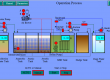
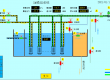
The process is easier to follow than most people expect. Sewage enters the unit and is screened first. Next, it flows into a biological tank where bacteria break down organic matter. A membrane module then filters the liquid, holding back solids and bacteria.
Because a container sewage treatment plant uses membranes instead of a large settling tank, the whole process fits into a much smaller space.
The main stages are:
- Screening removes plastics and large debris
- Biological treatment breaks down organic waste
- Membrane filtration separates clean water from sludge
- Disinfection gives a final safety check before discharge
Container Plant Versus Built-On-Site Plant: A Quick Look
Sometimes a side-by-side view makes the decision easier.
| Factor | Container Unit | Built-On-Site Plant |
| Installation time | Days to a few weeks | Several months |
| Land needed | Small footprint | Large area |
| Relocation | Can be moved | Fixed in place |
| Quality control | Tested at the factory | Depends on site work |
| Future expansion | Add more units | Major rebuild |
Built-on-site plants still make sense for very large towns. However, for most remote water treatment needs, the container route is quicker. For projects with a fixed deadline, a container sewage treatment plant usually comes out ahead.
Questions To Settle Before You Order Anything At All
A little preparation saves a lot of frustration later. Before contacting a supplier, gather these details:
- Daily sewage flow and expected peak flow
- Number of people using the site
- Local discharge or reuse standards
- Available power supply
- Site access for delivery and lifting equipment
With those answers, the manufacturer can size the container sewage treatment plant properly and suggest the right membrane setup.
Who Looks After It Once The Installers Have Gone Home?
Fair question. The company offers professional solution design, careful installation, operator training and efficient after-sales support. Training matters because a well-informed operator spots small problems early.
Each container sewage treatment plant can also be tailored, from tank layout to capacity and control level. Reliable quality at a sensible price keeps long-term costs under control, too. After all, steady water treatment depends on regular care as much as on good design.
Ready To Put One Of These Plants On Your Site? Start Here
A remote location should never mean a compromise on sewage treatment. With factory-built units, quick installation and reliable membrane filtration, projects stay on schedule and discharge stays compliant. Hinada Water Treatment Tech Co., Ltd brings hands-on industrial experience and a customer-first approach to every order.
Ready to discuss your project? Email jeff@hinada.com or visit https://www.hinada.com/ today, and get a solution designed around your site.
FAQs:-
How long does installation take?
Once the unit arrives, connection usually takes a few days, depending on pipework and power.
Can the treated water be reused?
Often, yes. Membrane-filtered water suits irrigation, cleaning and flushing, subject to local rules.
Will it be noisy or smelly?
No. The enclosed design and proper aeration keep both to a minimum.
Can capacity grow later?
Yes. Extra containers can be added alongside the original unit.