

Packaged Printing Ink Wastewater Treatment Equipment Ink Treatment Solutions
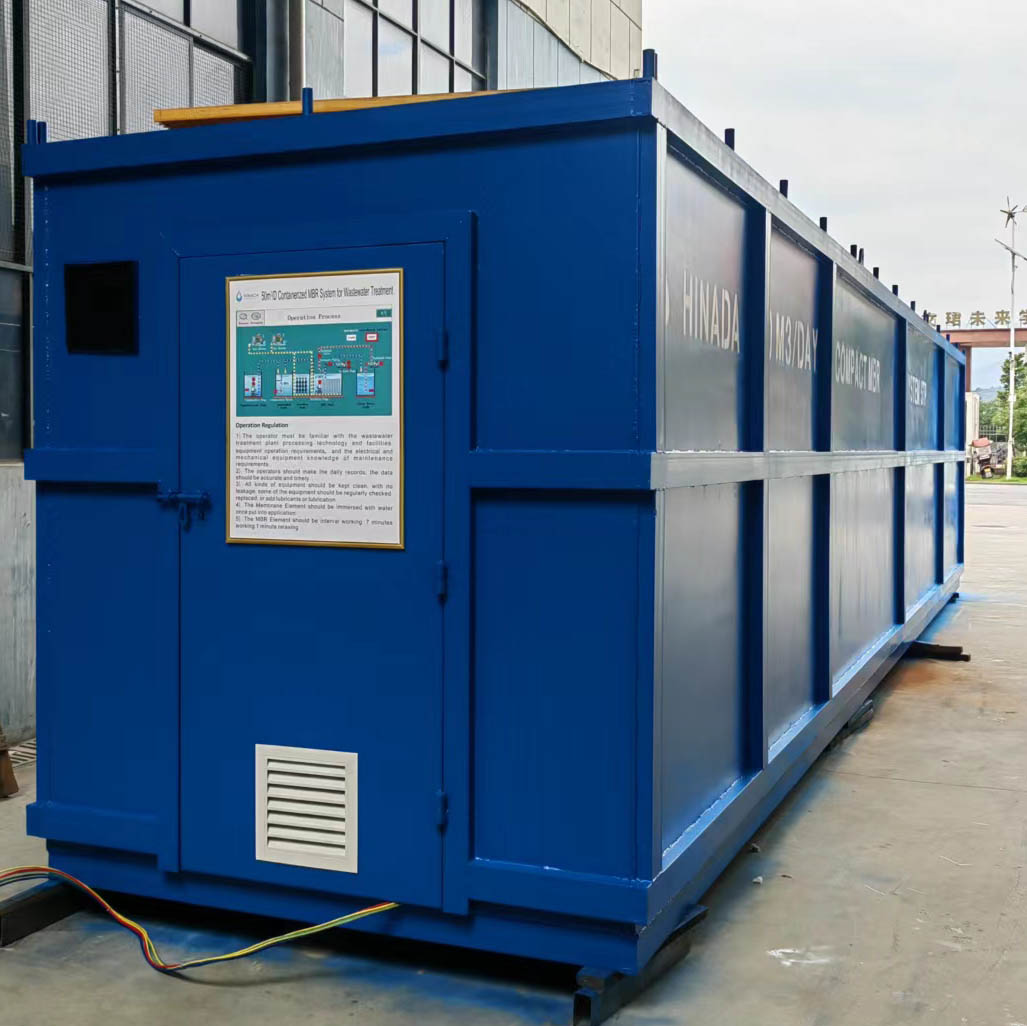
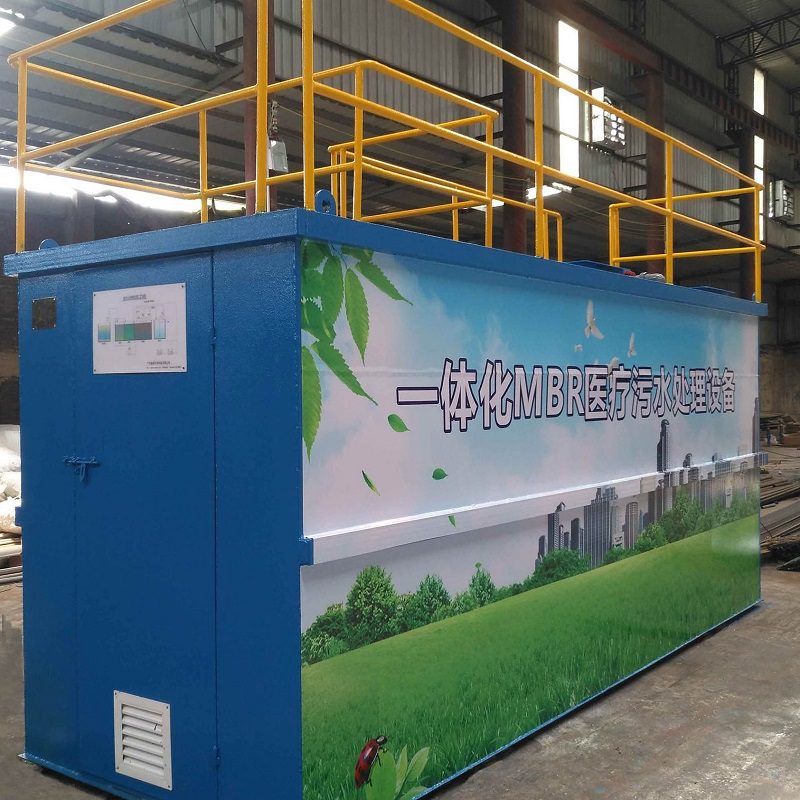
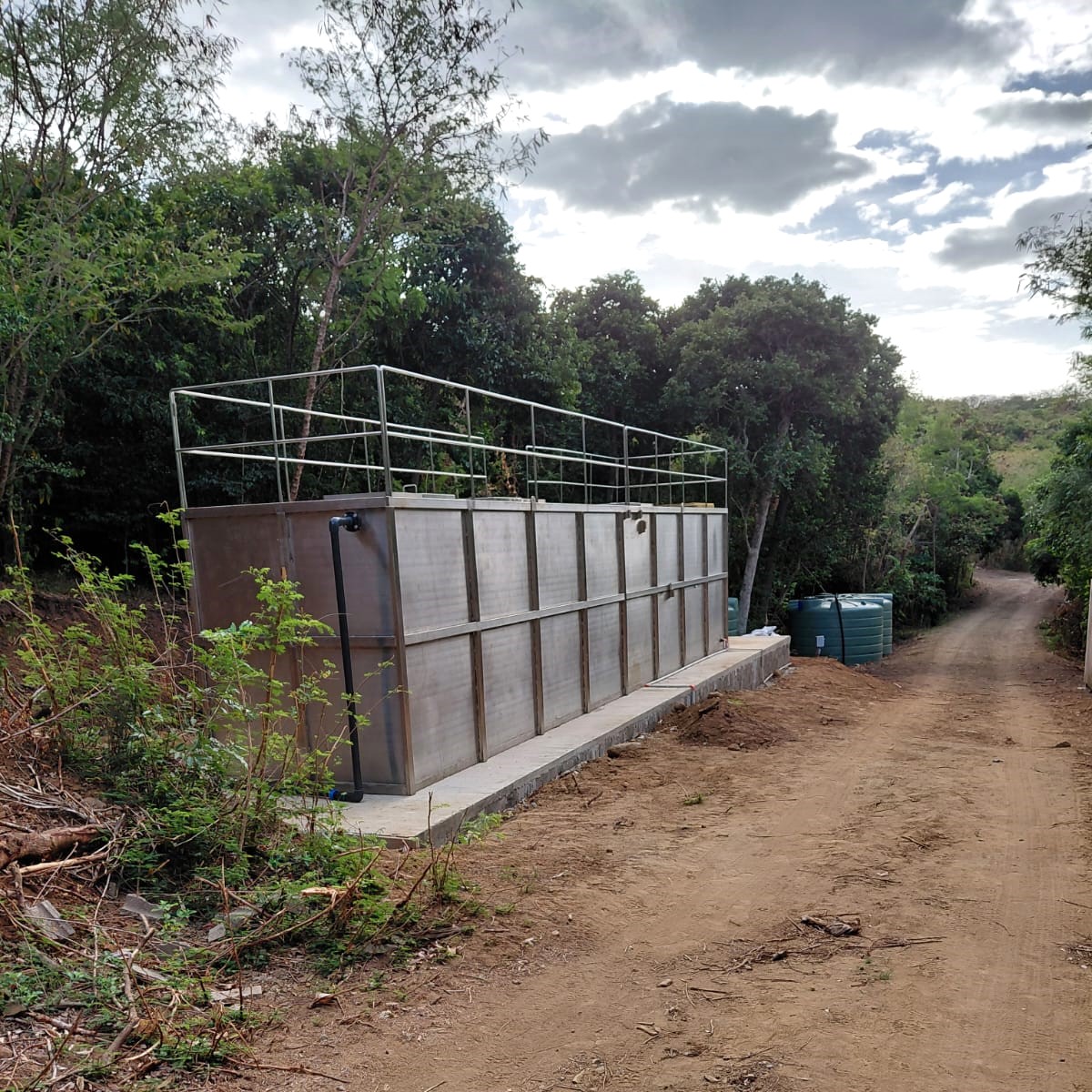
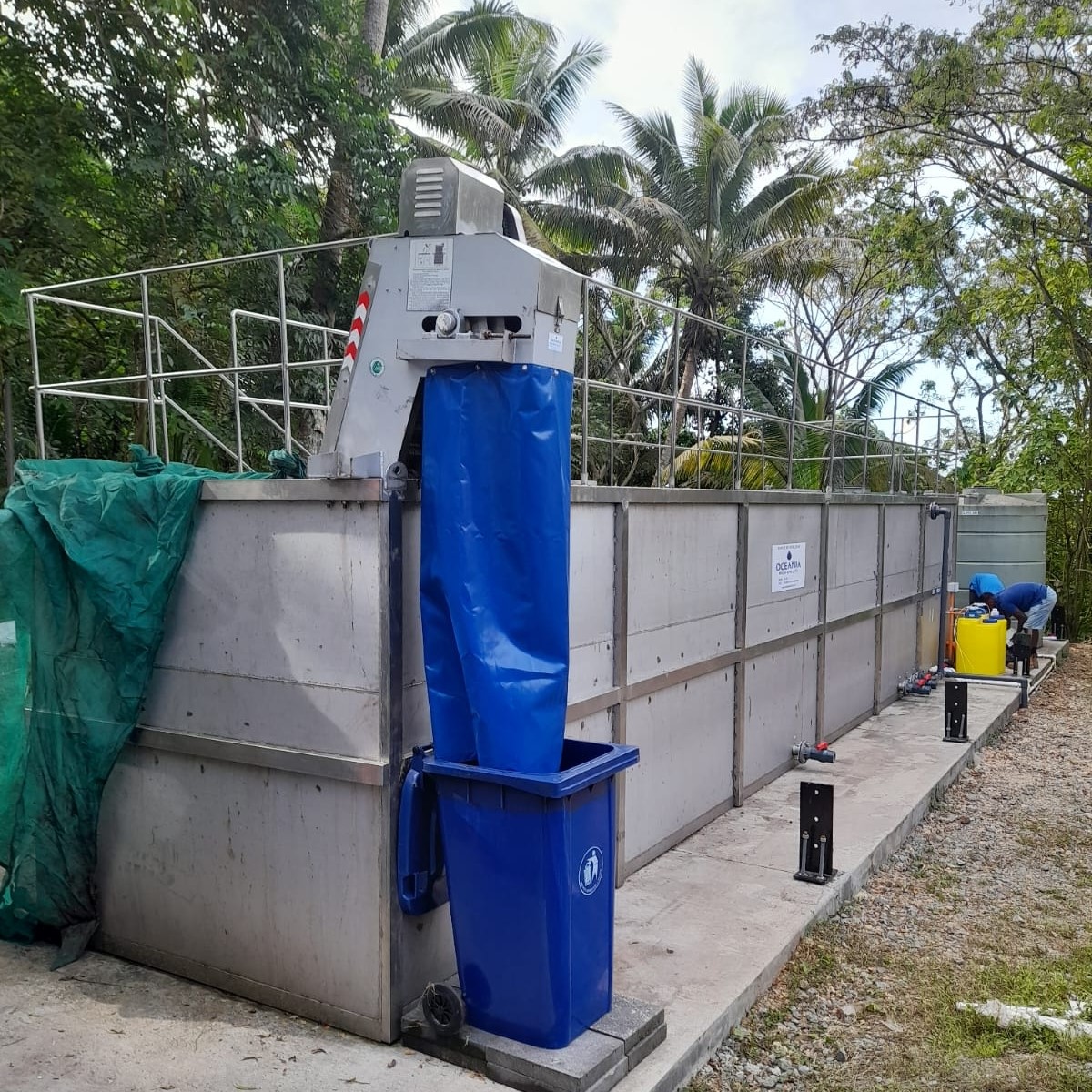
HINADA Packaged Printing Ink Wastewater Treatment Equipment
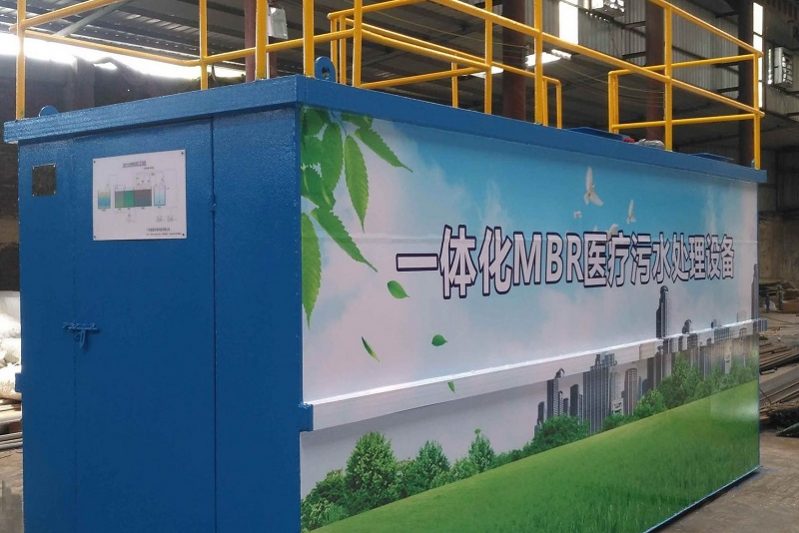
it is an integrated wastewater treatment system designed for treating high-color, high-COD, and difficult-to-biodegrade wastewater generated from printing, packaging, ink manufacturing, and related industrial processes.
Printing ink wastewater usually contains pigments, dyes, resin, solvents, surfactants, suspended solids, organic chemicals, and cleaning agents. These pollutants make the wastewater highly colored, chemically complex, and difficult to treat with a single process.
Product Specification
HINADA Packaged Printing Ink Wastewater Treatment Solution
HINADA designs packaged wastewater treatment equipment based on the customer’s wastewater analysis, production process, discharge standard, and site conditions.
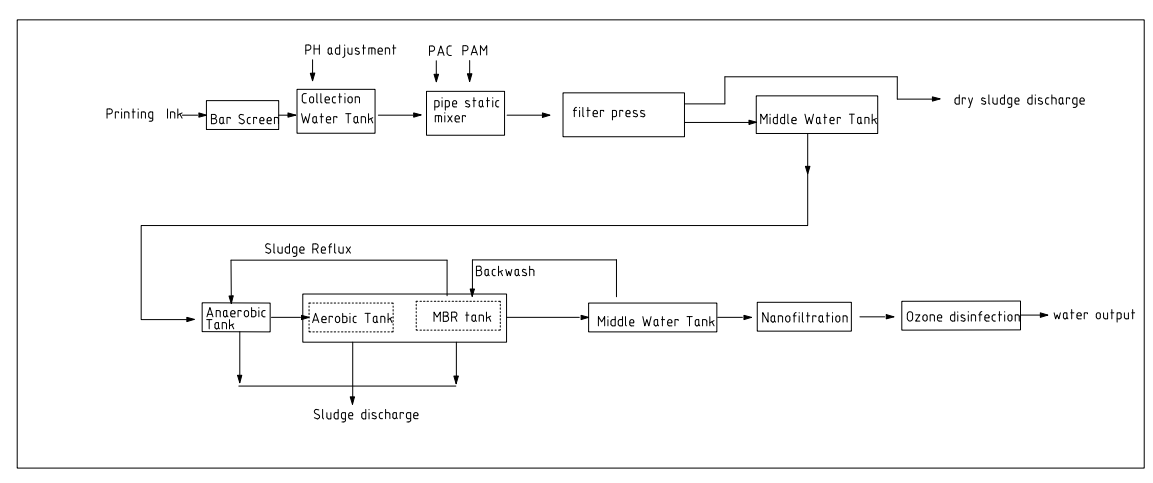
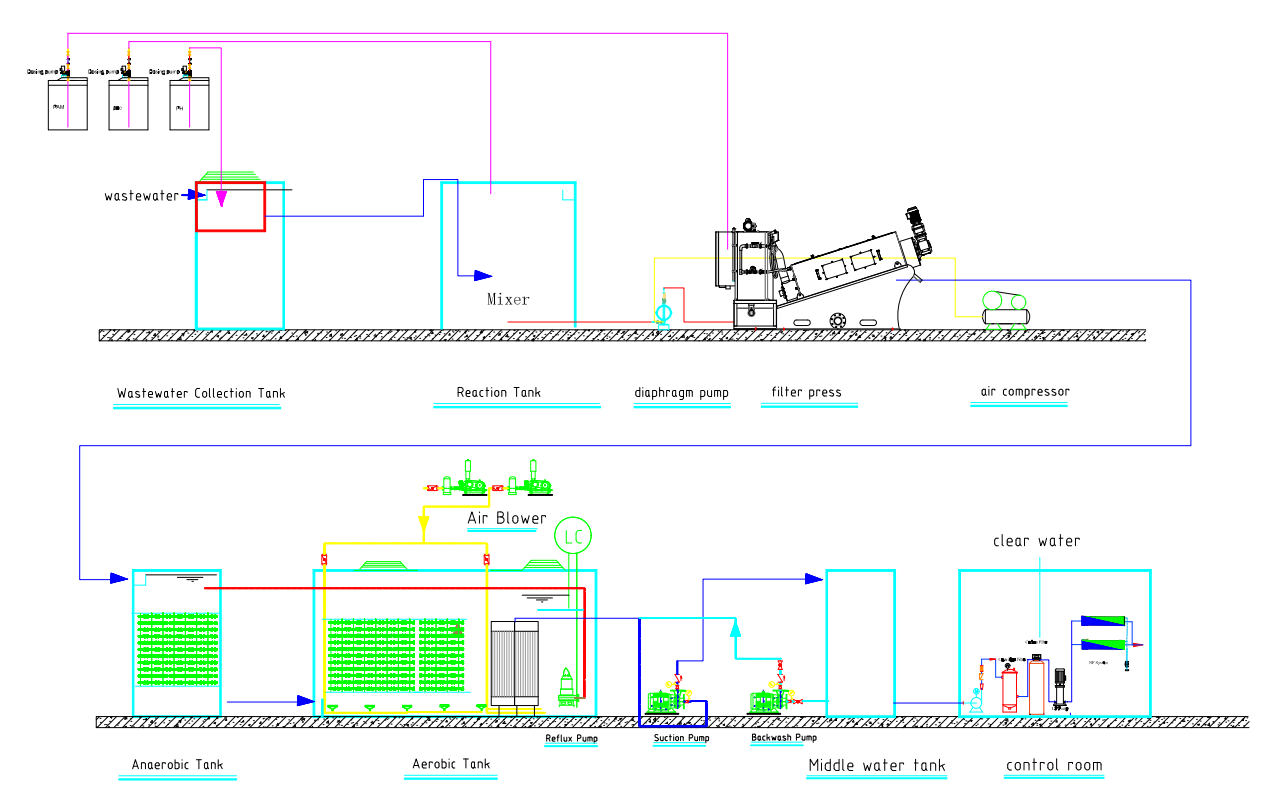
HINADA printing ink wastewater treatment system include:
- Collection and Equalization Tank
- pH Adjustment System
- Coagulation and Flocculation Unit
- Filter Press sludge dewatering
- Biological Treatment System
- MBR Membrane Bioreactor
- Activated Carbon Filter
- Nano Filtration System for color remove and reuse
- Disinfection Unit
- Automatic PLC Control SystemTreatment Process Drawing
Key Features
- Designed for High-COD and High-Color Wastewater
Printing ink wastewater is difficult to treat because color and organic pollutants are often stable and complex. Hinada combines physical, chemical, and biological treatment technologies to improve COD removal, color reduction, and effluent stability.
- Compact Packaged Design
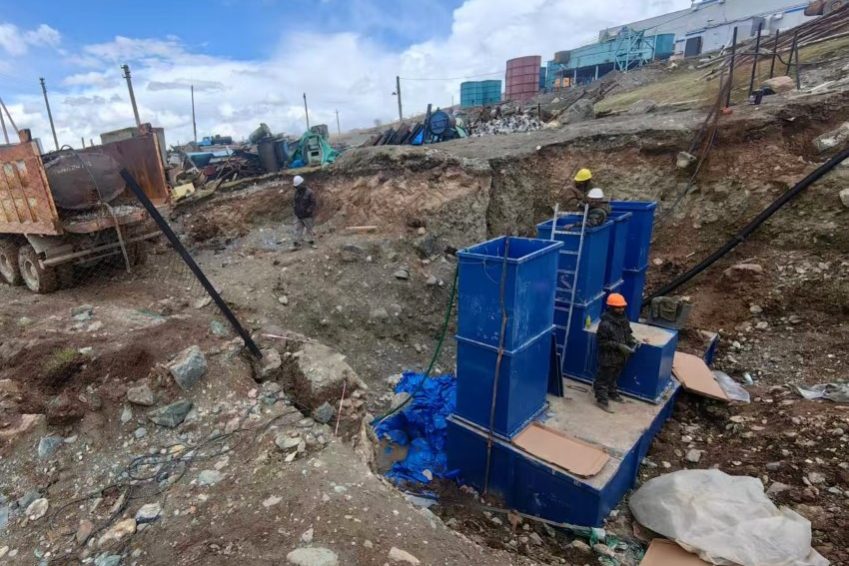
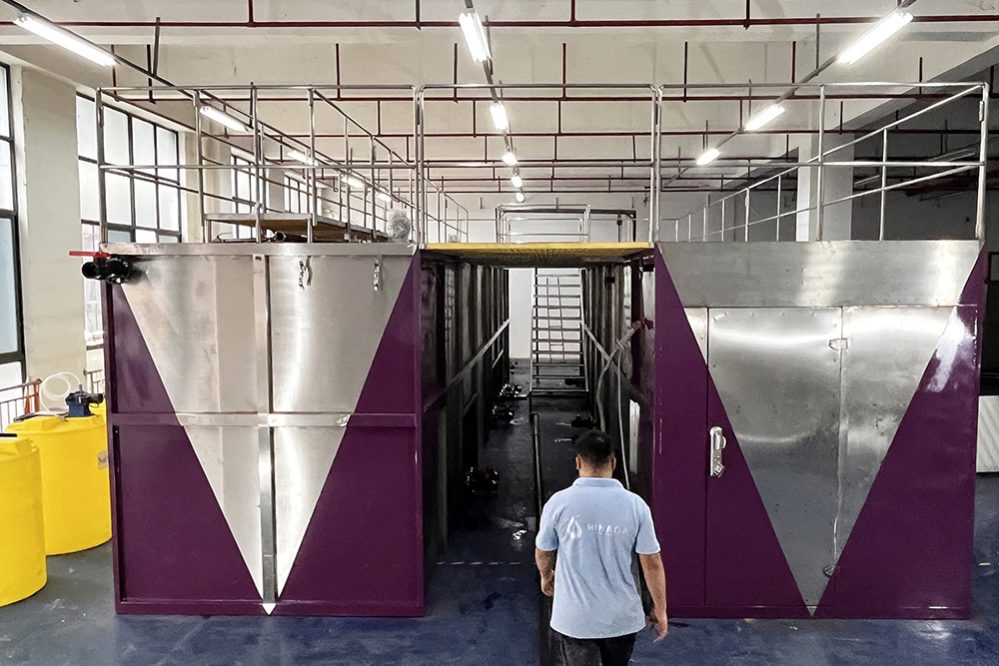
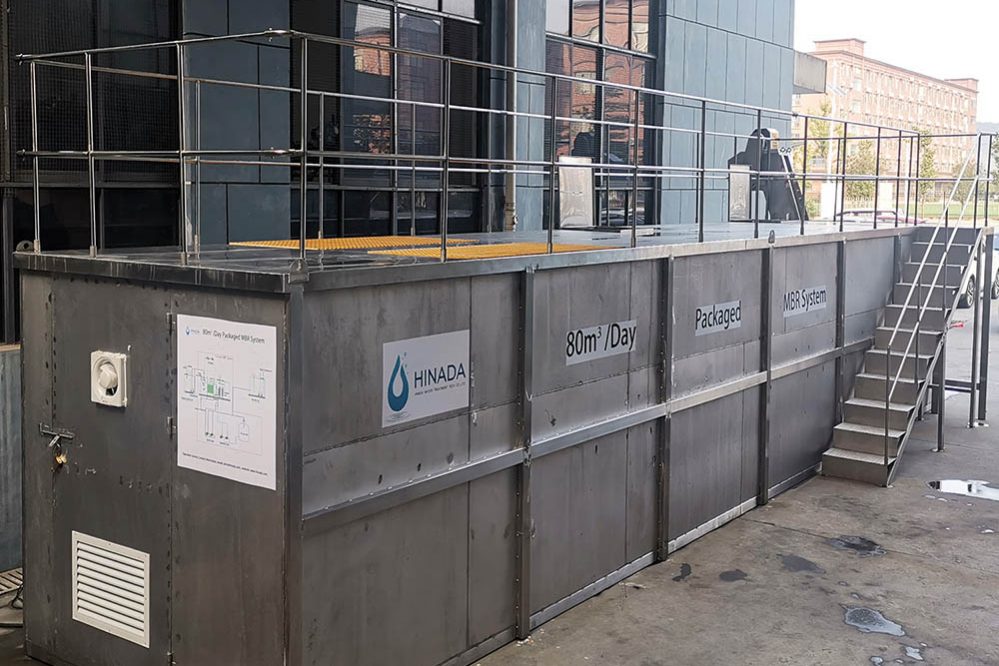
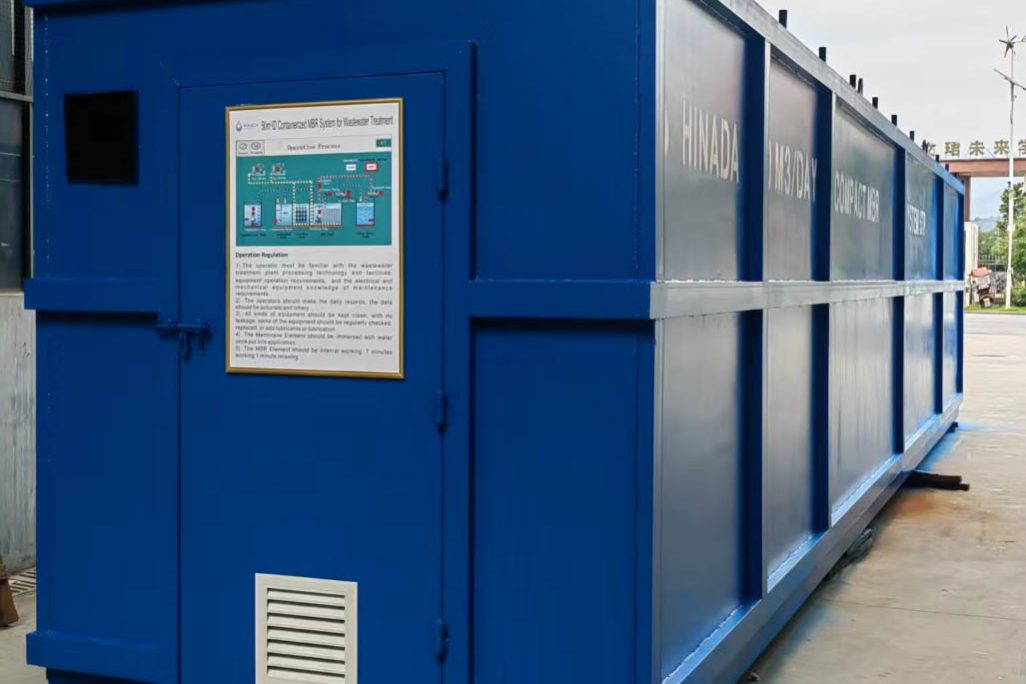
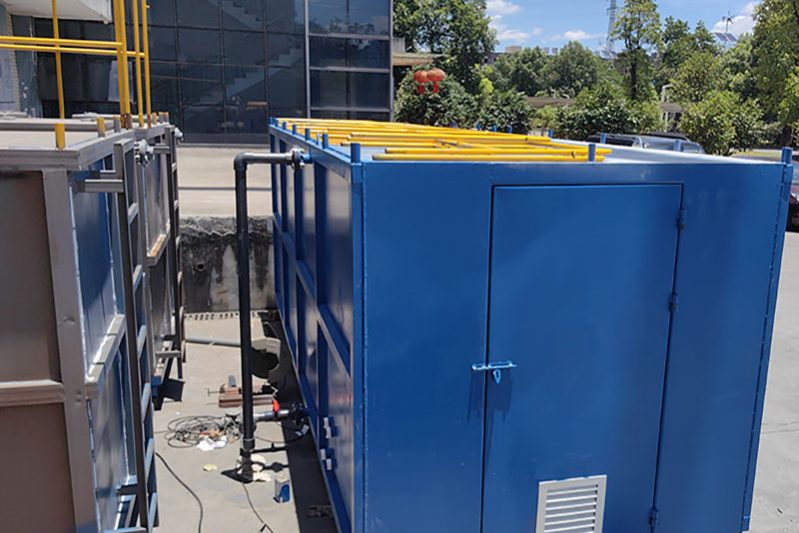
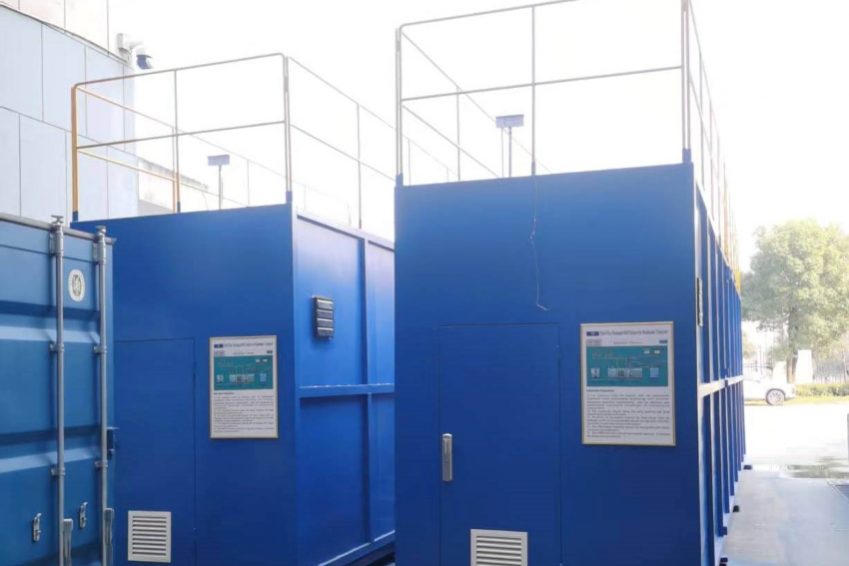
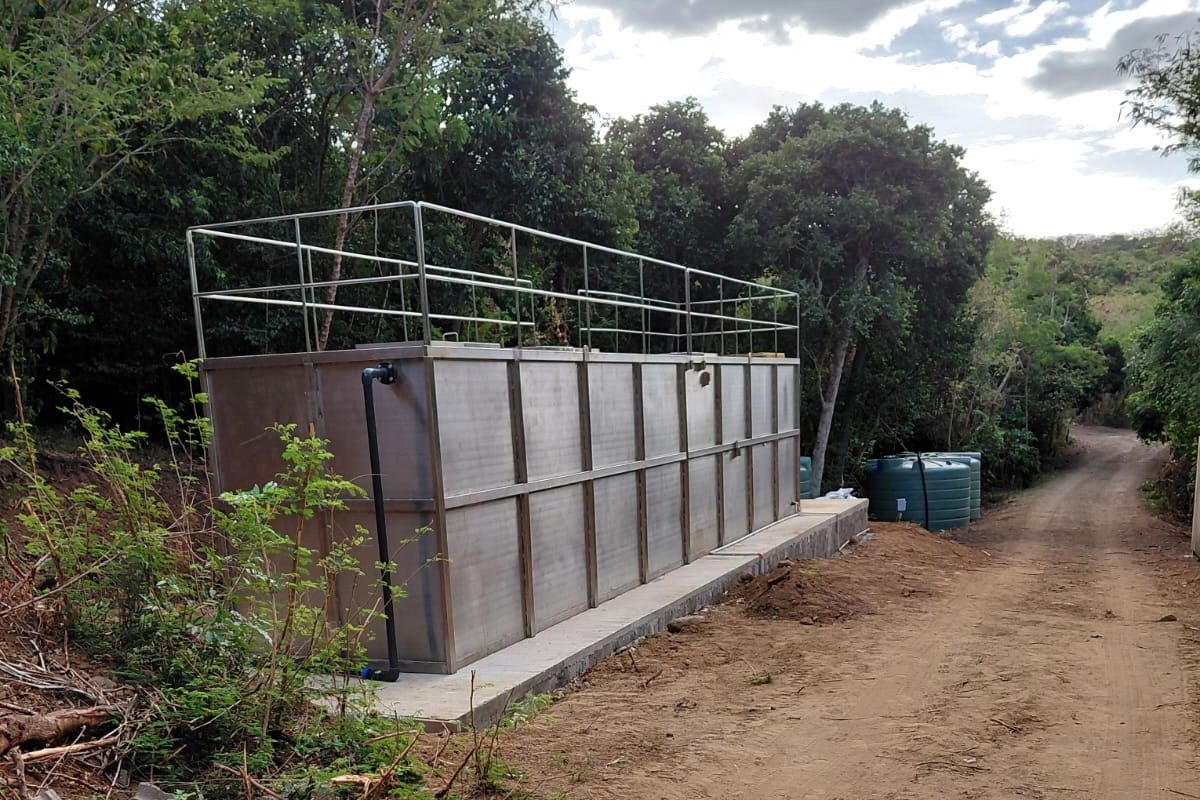
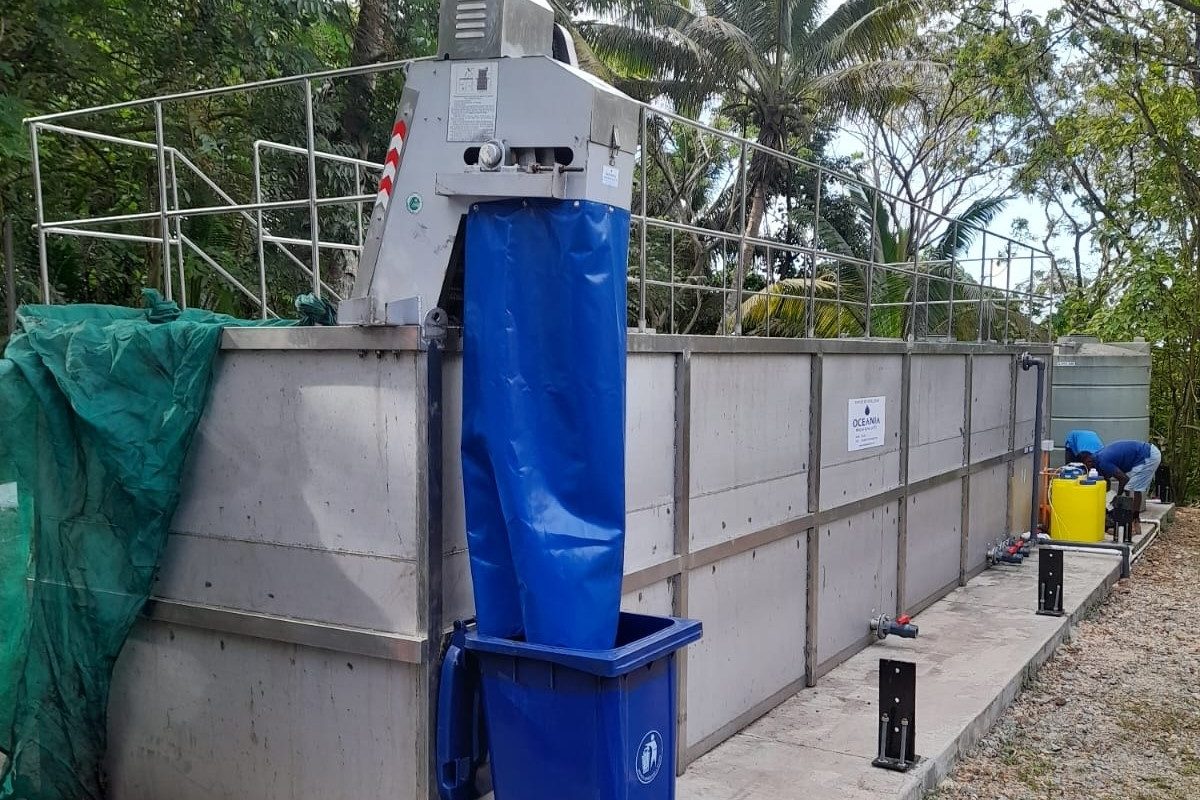
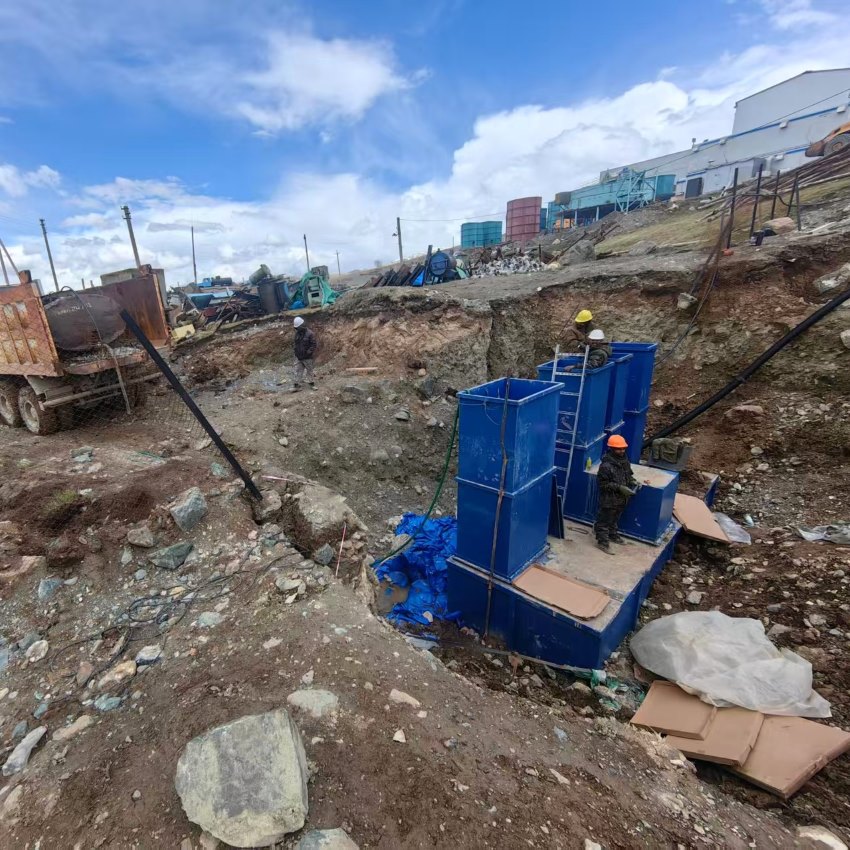
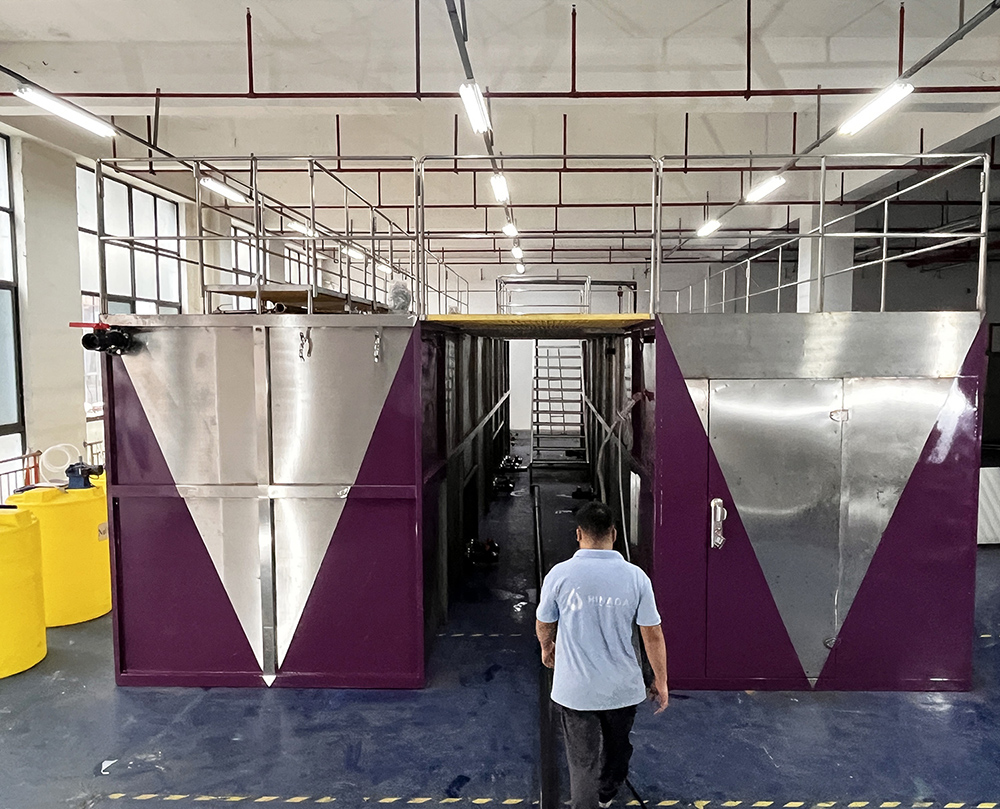
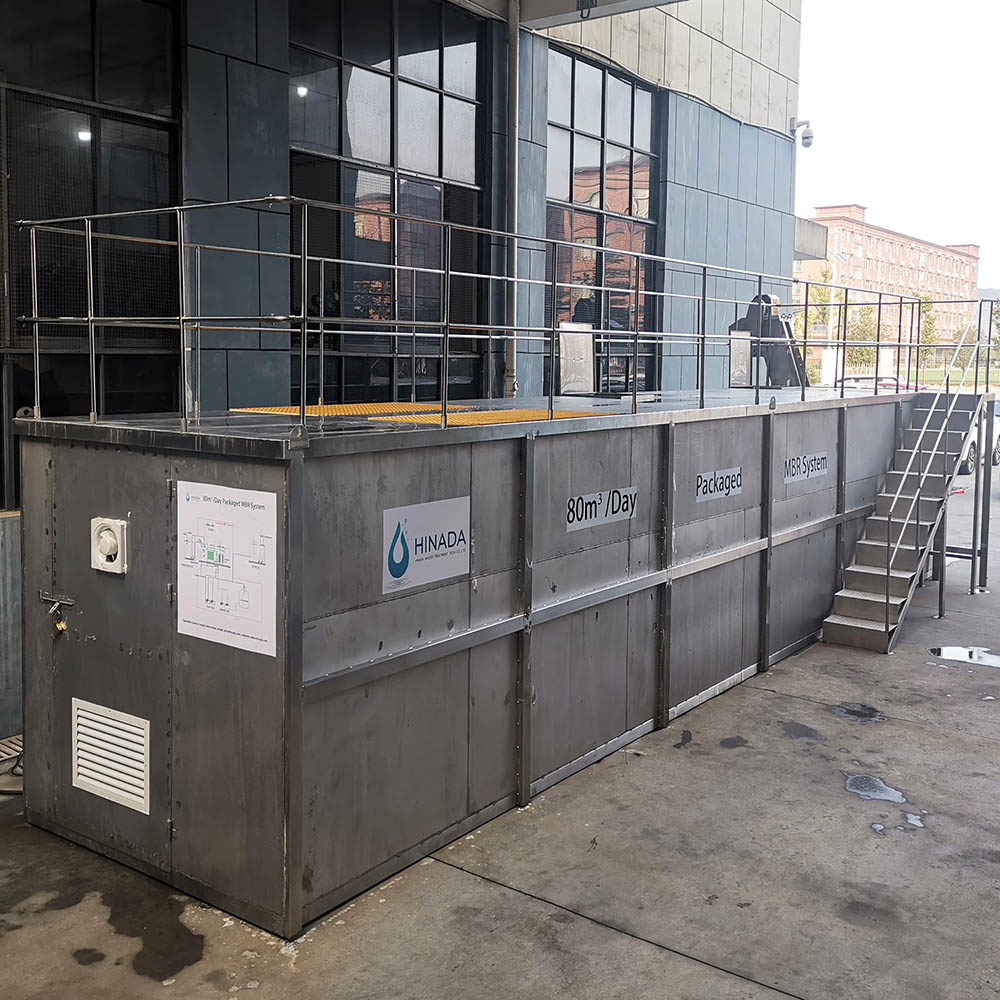
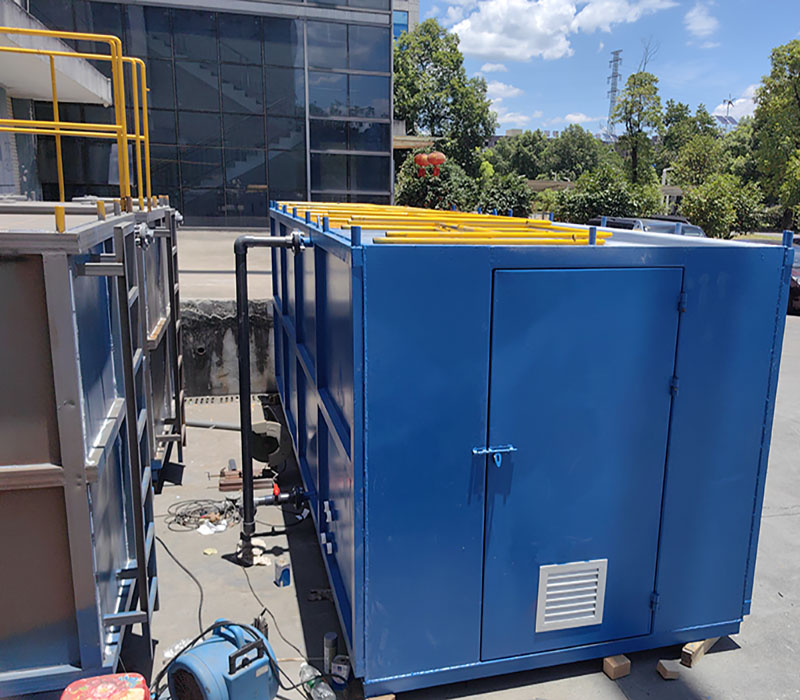
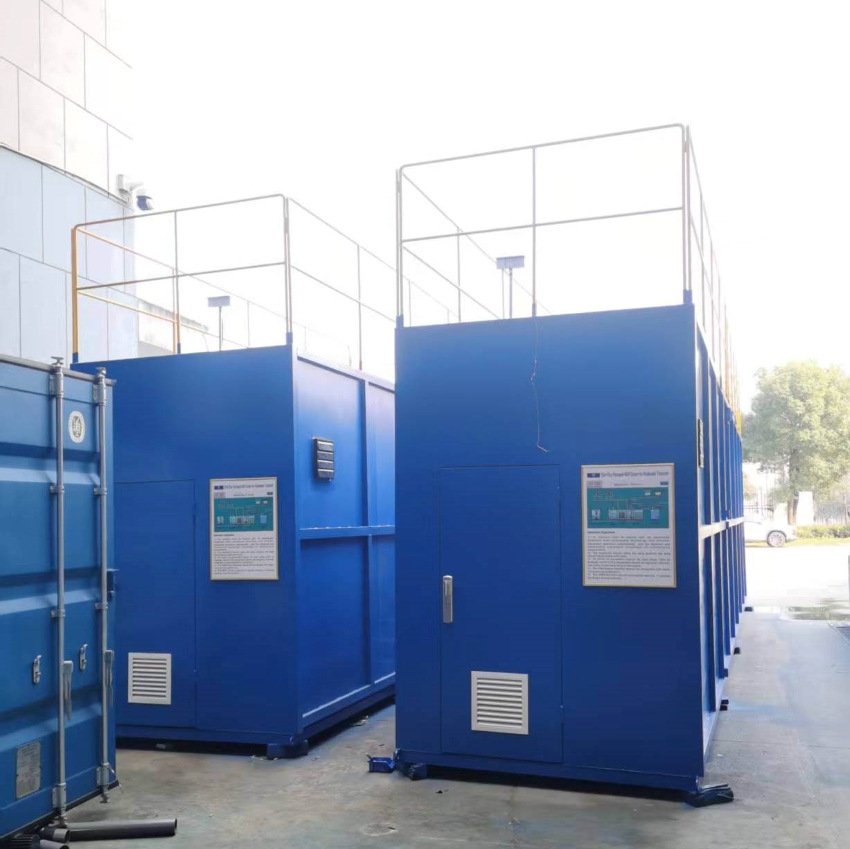
The system can be designed as a skid-mounted or containerized package, reducing civil construction work and shortening installation time. It is suitable for factories with limited space.
- Customized Process Design
Different printing processes produce different wastewater. Hinada designs each system according to actual water quality, including COD, BOD, color, SS, pH, oil, and other pollutants.
- Stable MBR Effluent Quality
The MBR membrane bioreactor provides excellent solid-liquid separation and produces clear effluent with low suspended solids and turbidity. It is suitable for discharge compliance and further water reuse treatment.
- Automatic Operation
The equipment can be equipped with PLC control, automatic dosing, automatic liquid level control, pump protection, alarm functions, and optional remote monitoring.
- Optional Water Reuse
For factories that want to reduce freshwater consumption, Hinada add activated carbon, and NF systems to produce reusable process water.
Application
Application: Packaged printing ink wastewater treatment equipment is deployed across a wide spectrum of industrial sectors where water-based or solvent-based inks are used. The primary application is to treat the complex effluent generated during printing equipment cleaning, ink formulation, and colour changeover processes.
- This application includes printing houses, screen printing plants, plastic flower printing, and picture (inkjet) plants
- Corrugated Box and Cardboard Packaging Plants
- Flexographic Printing
- Gravure Printing
- Other Packaging Segments: Including production for the tobacco, liquor, pharmaceutical, cosmetic, and children’s toy industries, as well as milk and beverage composite paper packaging
Due to the high chemical oxygen demand (COD), intense colour, and poor biodegradability of this wastewater, a single treatment method is insufficient, and integrated, multi-stage systems are standard
Advantages
- Hinada has 14 years Experience in industrial wastewater treatment projects
- Customized process design based on actual wastewater analysis
- Integrated equipment manufacturing capability
- Compact packaged and containerized system options
- MBR membrane and NF membrane technology support
- Automatic control and easy operation
- Project site technical support for installation, commissioning, and operation
Hinada helps printing and packaging factories build reliable wastewater treatment systems that meet discharge requirements and support sustainable production.
Packaging
Plywood case packed or in container loading.
Frequently Asked Questions
What makes printing ink wastewater difficult to treat?
Printing ink wastewater contains pigments, dyes, resin, solvents, surfactants, and high concentrations of organic pollutants. It usually has high COD, strong color, and poor biodegradability, so a combined physical-chemical and biological treatment process is often required.
Can one system treat different types of printing wastewater?
Yes, but the system must be designed according to the actual wastewater characteristics. Flexographic printing, gravure printing, screen printing, and ink manufacturing may produce different wastewater compositions, so process selection should be customized.
Can Hinada equipment reduce color in printing ink wastewater?
Yes. Hinada can use coagulation-flocculation, Filter Press, Biologocial treatment, MBR Filtration, activated carbon, and Nano Filtration treatment to reduce color and improve final effluent quality.
Can treated printing ink wastewater be reused?
Yes, depending on the effluent requirement. After MBR treatment, activated carbon, and NF systems can be added for water reuse applications.
Is the system automatic?
Yes. Hinada can provide automatic PLC control, automatic chemical dosing, pump control, liquid level control, alarm functions, and optional remote monitoring.
What is the delivery time?
The delivery time depends on capacity and configuration. For standard packaged systems, production usually takes around 20–30 days after technical confirmation and order approval.
- Specifications
-
Product Specification
HINADA Packaged Printing Ink Wastewater Treatment Solution
HINADA designs packaged wastewater treatment equipment based on the customer’s wastewater analysis, production process, discharge standard, and site conditions.
HINADA printing ink wastewater treatment system include:
- Collection and Equalization Tank
- pH Adjustment System
- Coagulation and Flocculation Unit
- Filter Press sludge dewatering
- Biological Treatment System
- MBR Membrane Bioreactor
- Activated Carbon Filter
- Nano Filtration System for color remove and reuse
- Disinfection Unit
- Automatic PLC Control SystemTreatment Process Drawing
Key Features
- Designed for High-COD and High-Color Wastewater
Printing ink wastewater is difficult to treat because color and organic pollutants are often stable and complex. Hinada combines physical, chemical, and biological treatment technologies to improve COD removal, color reduction, and effluent stability.
- Compact Packaged Design
The system can be designed as a skid-mounted or containerized package, reducing civil construction work and shortening installation time. It is suitable for factories with limited space.
- Customized Process Design
Different printing processes produce different wastewater. Hinada designs each system according to actual water quality, including COD, BOD, color, SS, pH, oil, and other pollutants.
- Stable MBR Effluent Quality
The MBR membrane bioreactor provides excellent solid-liquid separation and produces clear effluent with low suspended solids and turbidity. It is suitable for discharge compliance and further water reuse treatment.
- Automatic Operation
The equipment can be equipped with PLC control, automatic dosing, automatic liquid level control, pump protection, alarm functions, and optional remote monitoring.
- Optional Water Reuse
For factories that want to reduce freshwater consumption, Hinada add activated carbon, and NF systems to produce reusable process water.
- Application
-
Application
Application: Packaged printing ink wastewater treatment equipment is deployed across a wide spectrum of industrial sectors where water-based or solvent-based inks are used. The primary application is to treat the complex effluent generated during printing equipment cleaning, ink formulation, and colour changeover processes.
- This application includes printing houses, screen printing plants, plastic flower printing, and picture (inkjet) plants
- Corrugated Box and Cardboard Packaging Plants
- Flexographic Printing
- Gravure Printing
- Other Packaging Segments: Including production for the tobacco, liquor, pharmaceutical, cosmetic, and children’s toy industries, as well as milk and beverage composite paper packaging
Due to the high chemical oxygen demand (COD), intense colour, and poor biodegradability of this wastewater, a single treatment method is insufficient, and integrated, multi-stage systems are standard
- Advantages
-
Advantages
- Hinada has 14 years Experience in industrial wastewater treatment projects
- Customized process design based on actual wastewater analysis
- Integrated equipment manufacturing capability
- Compact packaged and containerized system options
- MBR membrane and NF membrane technology support
- Automatic control and easy operation
- Project site technical support for installation, commissioning, and operation
Hinada helps printing and packaging factories build reliable wastewater treatment systems that meet discharge requirements and support sustainable production.
- Packaging
-
Packaging
Plywood case packed or in container loading.
- FRQ
-
Frequently Asked Questions
What makes printing ink wastewater difficult to treat?
Printing ink wastewater contains pigments, dyes, resin, solvents, surfactants, and high concentrations of organic pollutants. It usually has high COD, strong color, and poor biodegradability, so a combined physical-chemical and biological treatment process is often required.
Can one system treat different types of printing wastewater?
Yes, but the system must be designed according to the actual wastewater characteristics. Flexographic printing, gravure printing, screen printing, and ink manufacturing may produce different wastewater compositions, so process selection should be customized.
Can Hinada equipment reduce color in printing ink wastewater?
Yes. Hinada can use coagulation-flocculation, Filter Press, Biologocial treatment, MBR Filtration, activated carbon, and Nano Filtration treatment to reduce color and improve final effluent quality.
Can treated printing ink wastewater be reused?
Yes, depending on the effluent requirement. After MBR treatment, activated carbon, and NF systems can be added for water reuse applications.
Is the system automatic?
Yes. Hinada can provide automatic PLC control, automatic chemical dosing, pump control, liquid level control, alarm functions, and optional remote monitoring.
What is the delivery time?
The delivery time depends on capacity and configuration. For standard packaged systems, production usually takes around 20–30 days after technical confirmation and order approval.
- Video
-