How Does Reverse Osmosis Work?
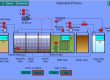
It is a complete process of water purification using a reverse osmosis water treatment plant. Each of the steps mentioned below is very short and clear.
Raw water → Pre-treatment → Pressure → RO membrane → Treated water + reject water
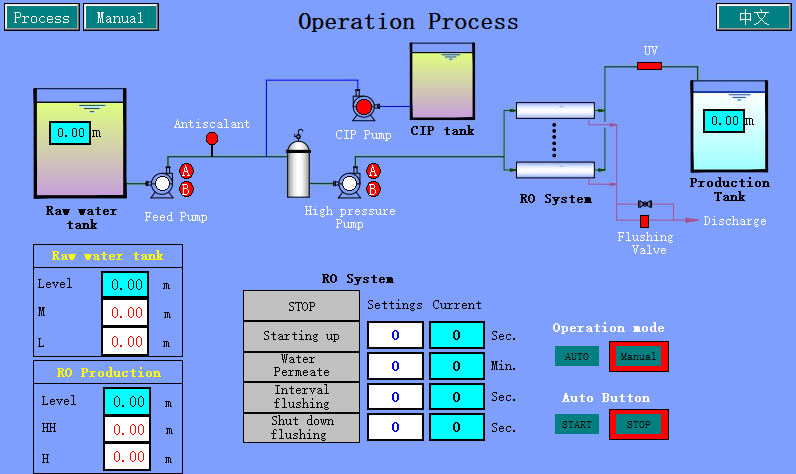
- The raw water comes into the system: It is extracted from wells, tanks, or feed lines.
- Pre-treatment helps to protect the membrane from damage: The filtration process eliminates dirt, soil, and rust from the water. Alternatively, the pre-treatment may include water softening or elimination of any chlorine in the water since it damages the membrane.
- The pressure is created: A high-pressure pump pushes the water through the membrane. Increased pressure is needed when the water contains many salts.
- The membrane does the job: Water molecules get through the small pores of the membrane while salts, hardness, and most of the soil do not.
- Two flows come out: One is treated water, prepared for storage and further use, while another is reject water that takes the salts away.
Effective pre-treatment is the key to any reverse osmosis treatment plant. The lifespan of a membrane, energy consumption and constant water quality will depend on whether the membrane remains clean. That is why wise customers will not skip this step.
What Is a Reverse Osmosis System?
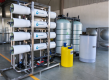
A reverse osmosis system is the total package of equipment that does the entire process. It is the membrane that gets the fame, but it needs good teammates. These are the players.
- Pumps provide water and create pressure.
- Filters safeguard the membranes from sand, rust, and other particles.
- The RO membranes are the main elements responsible for carrying out separation within the system.
- The membrane housings are sturdy and known as pressure vessels, which hold the membranes under very high pressure.
- Flow meters gauge the volume of water passing through the machine.
- The control panel enables the operator to control the system.
- Storage tanks hold the product water for your group’s use.
They are all part of one reverse osmosis water treatment plant, and if designed properly as a team, they will run safely and efficiently.