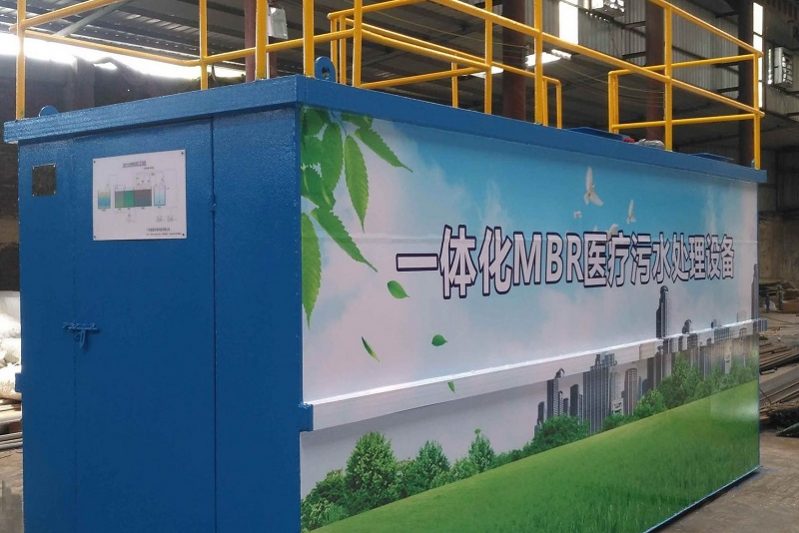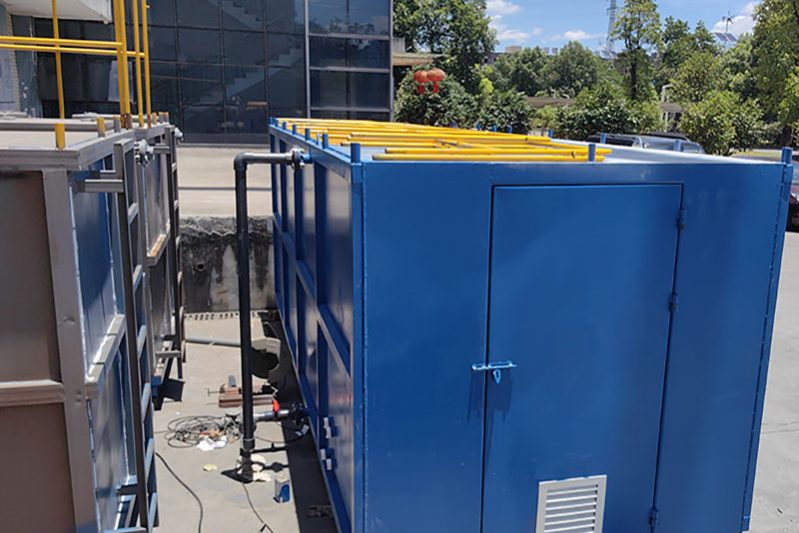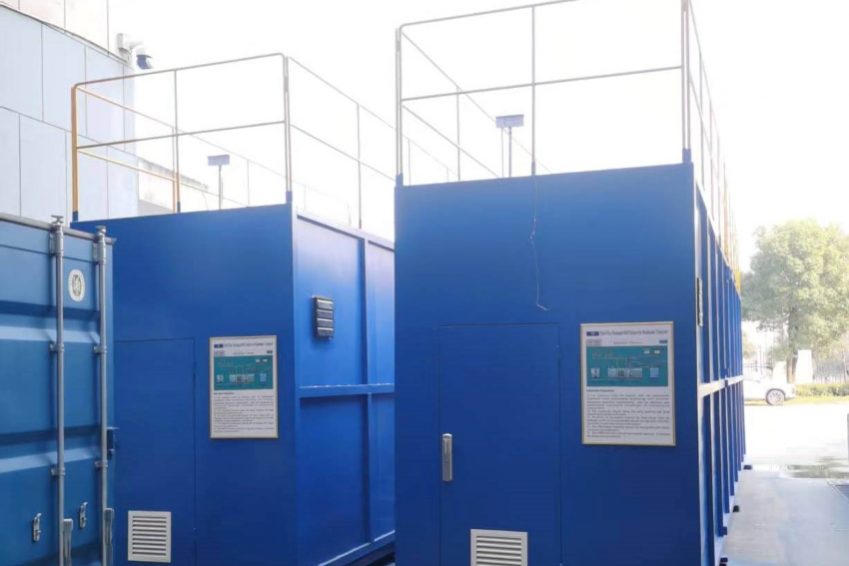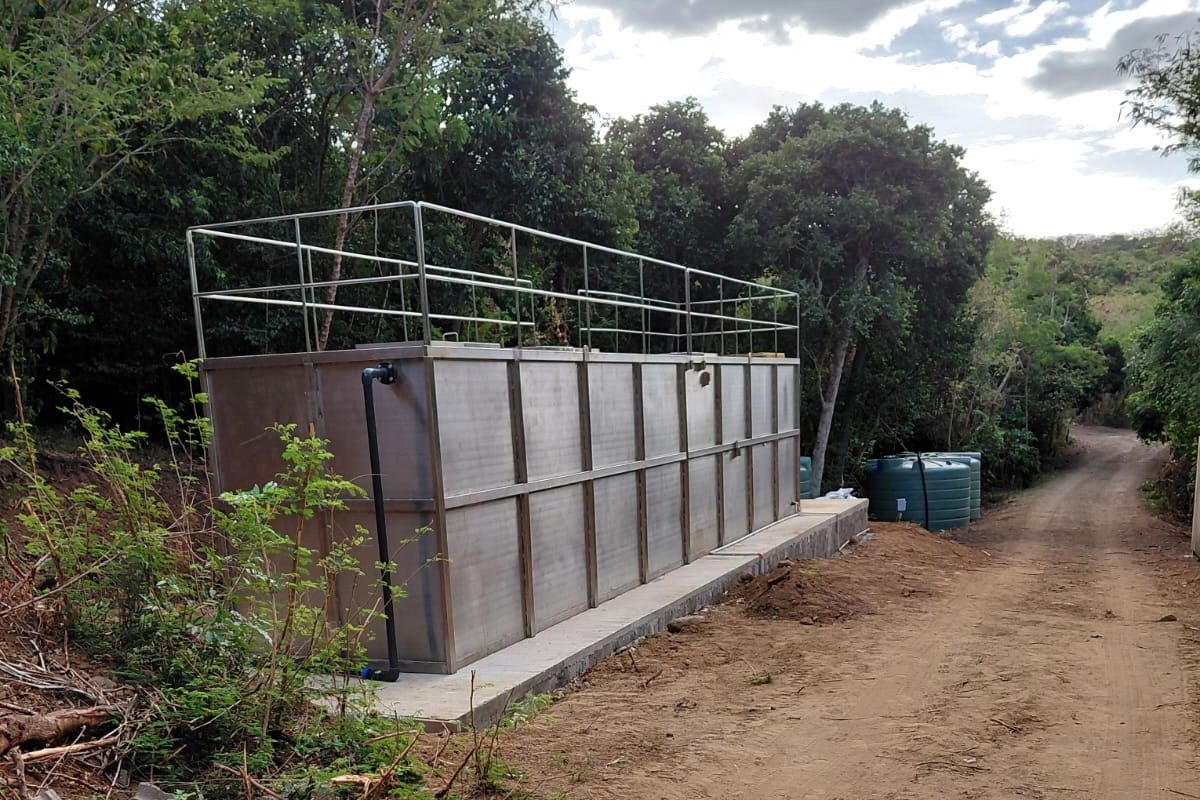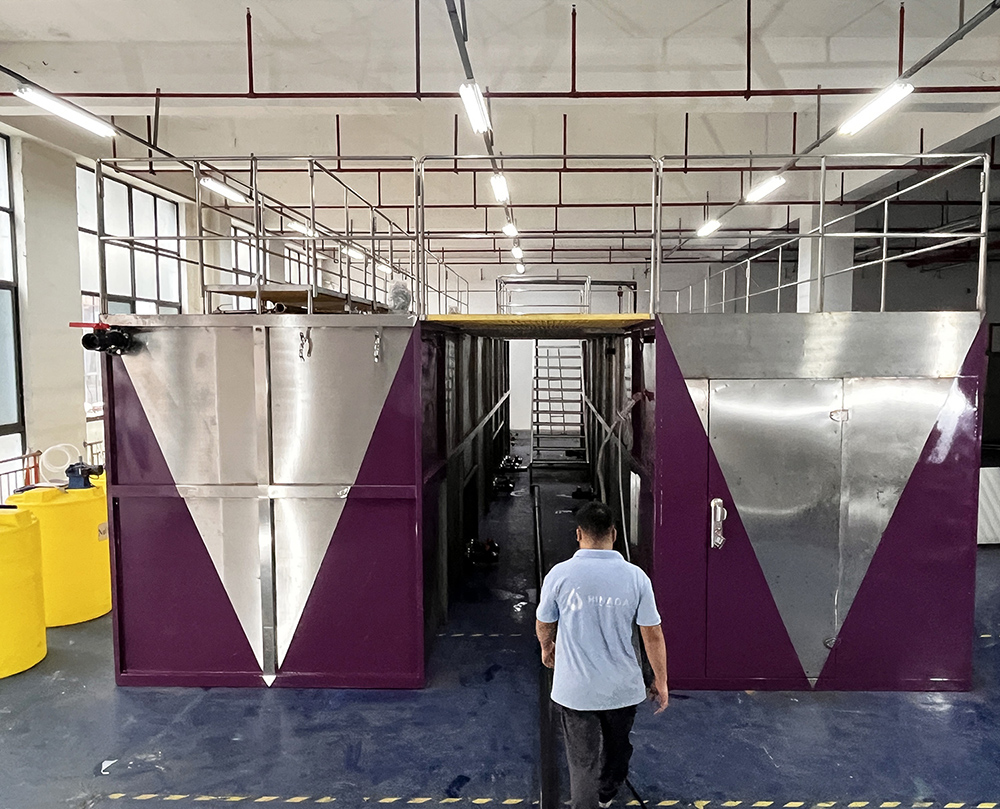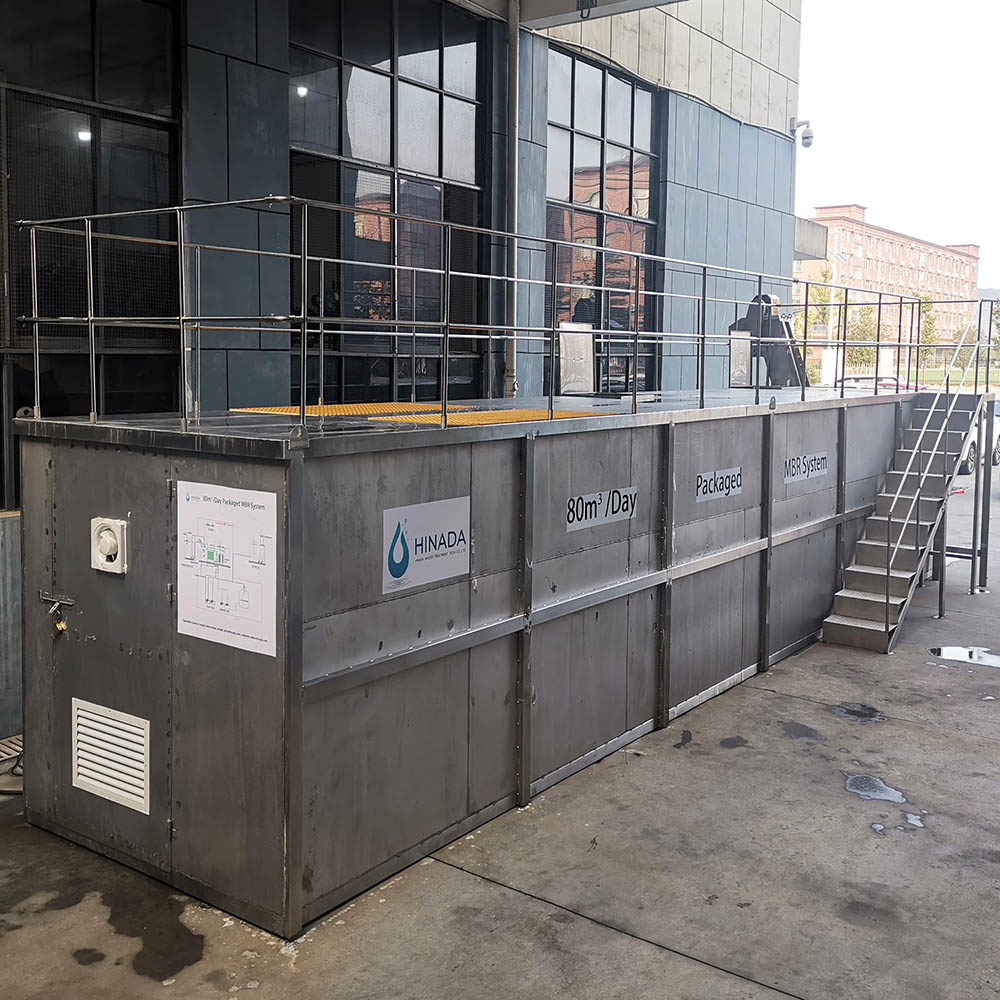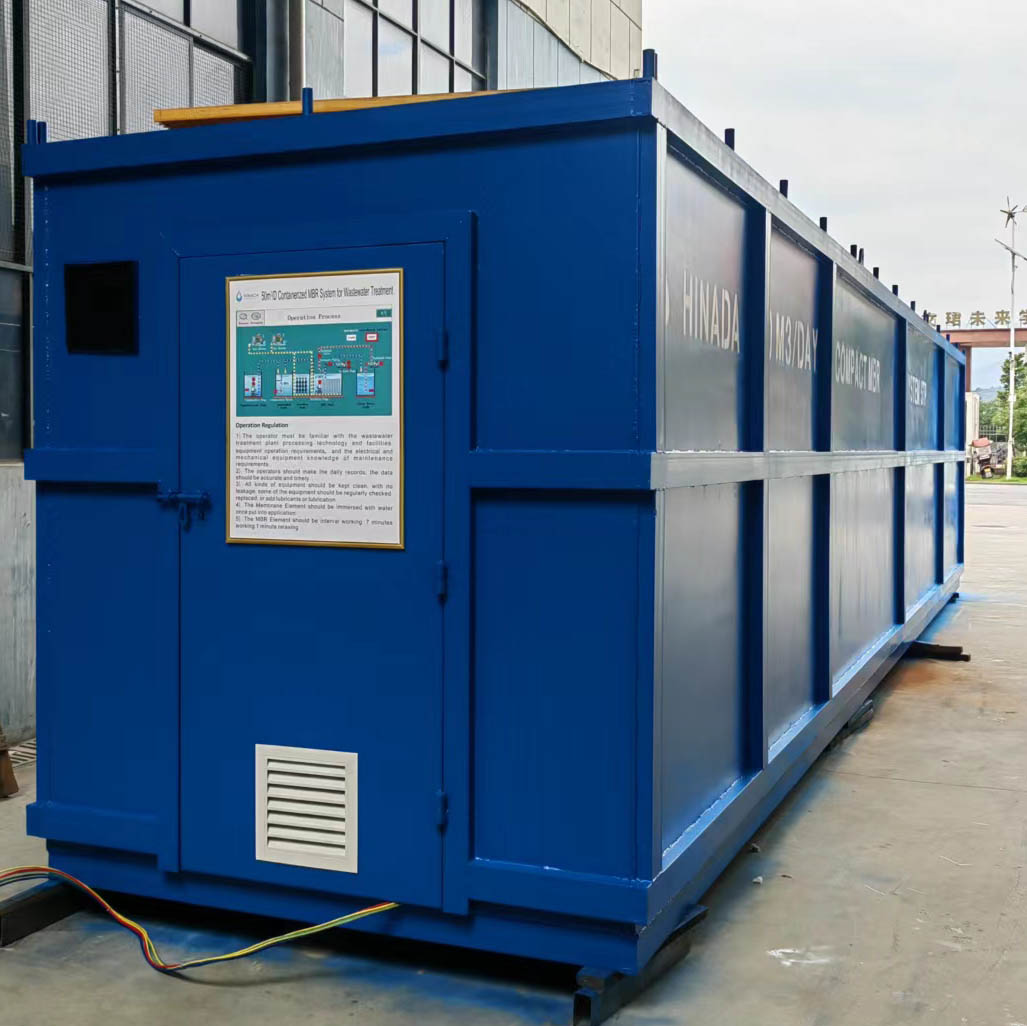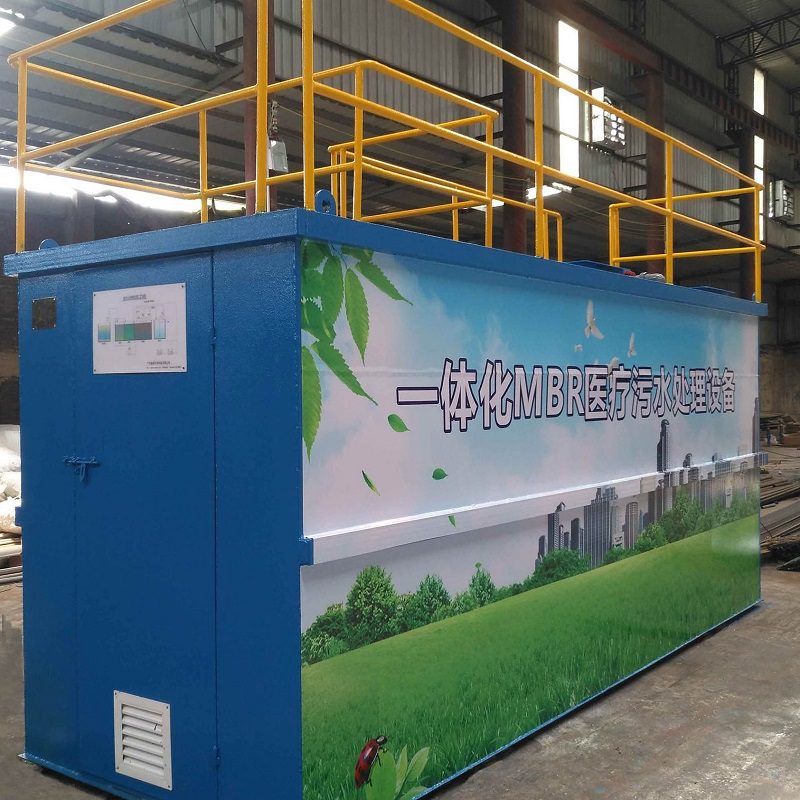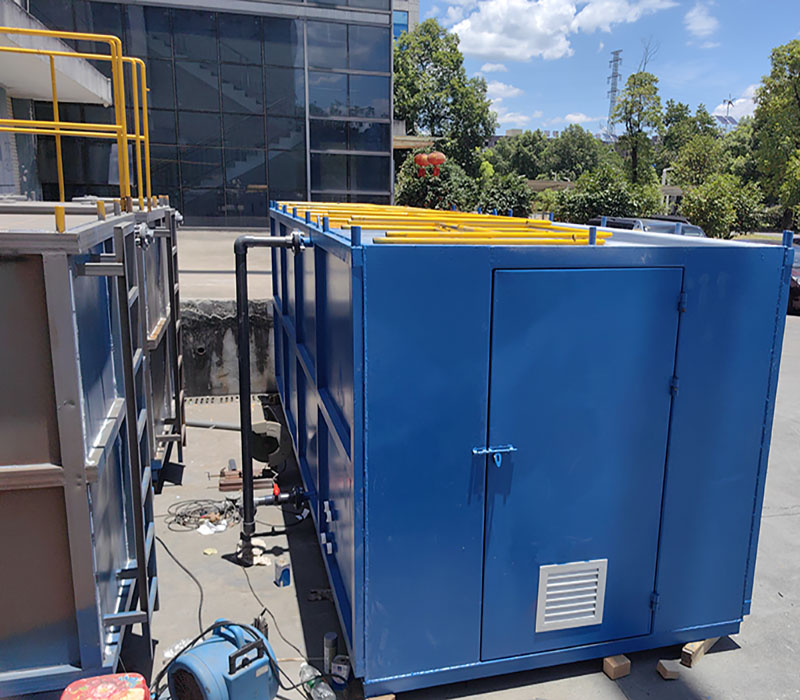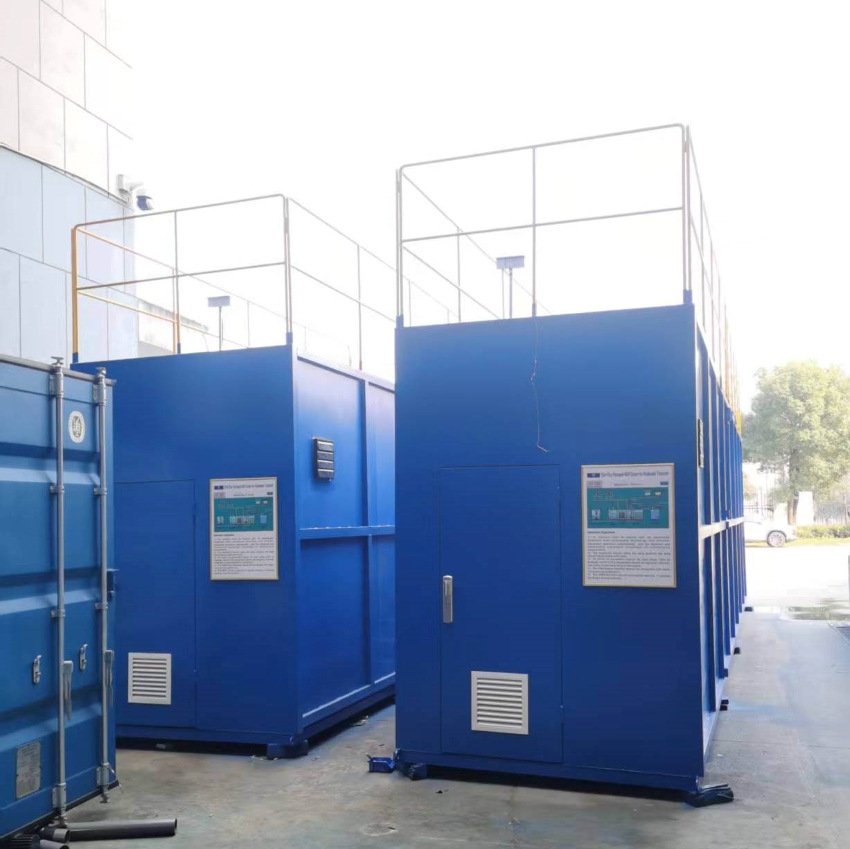
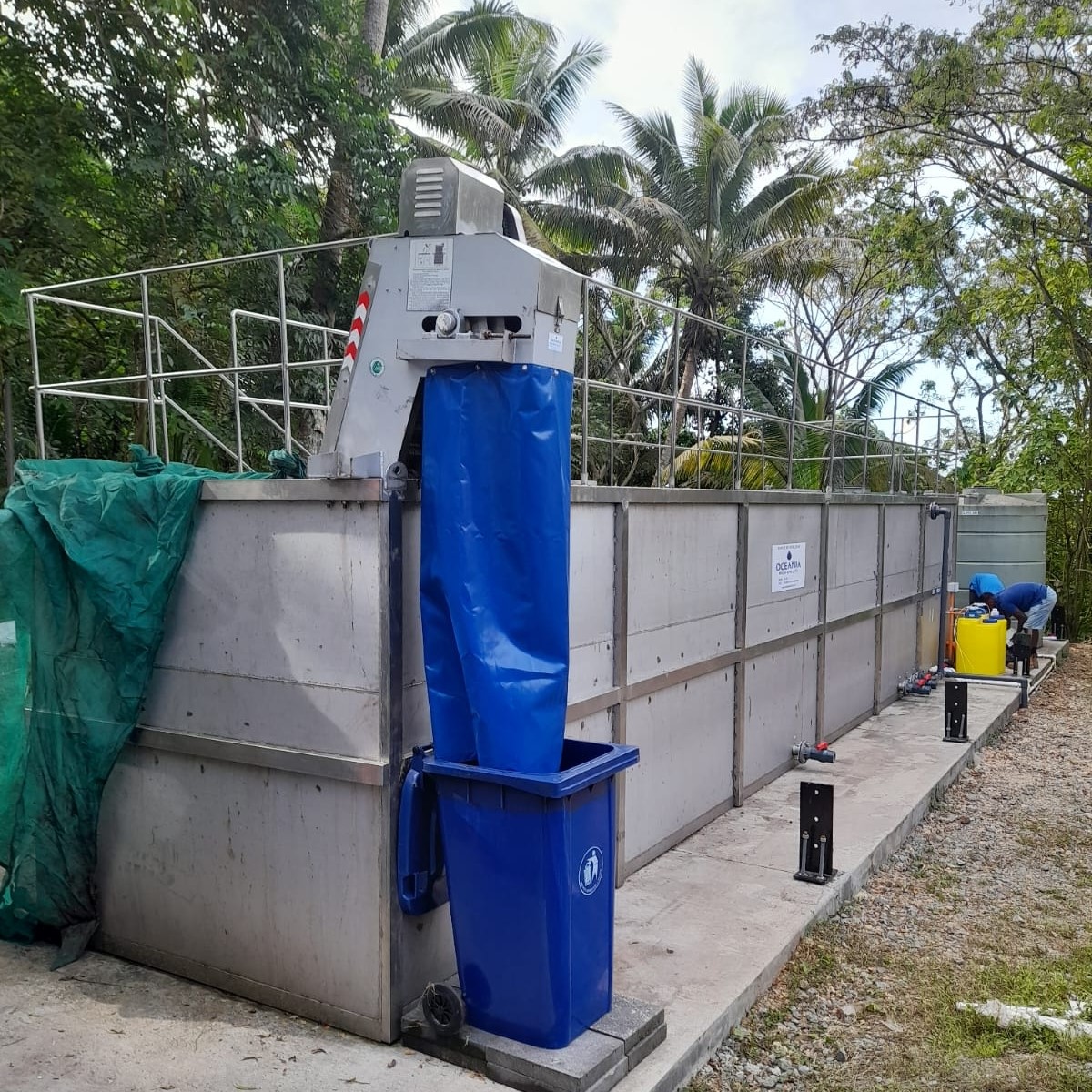
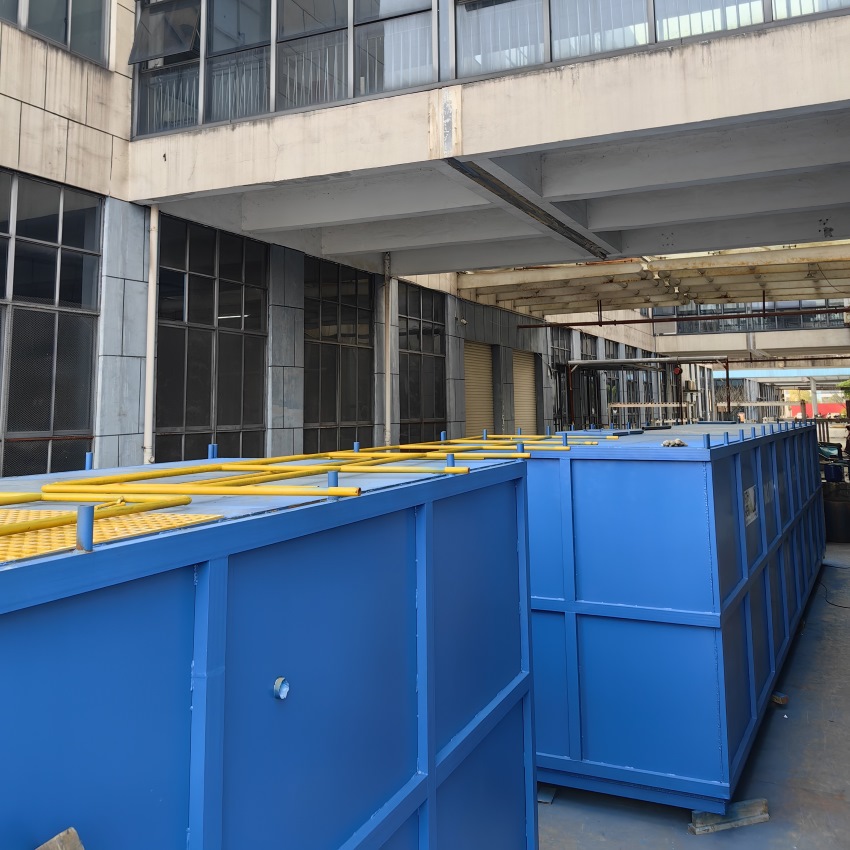
60m3/Day Wastewater System in Containerized Sewage WWTP
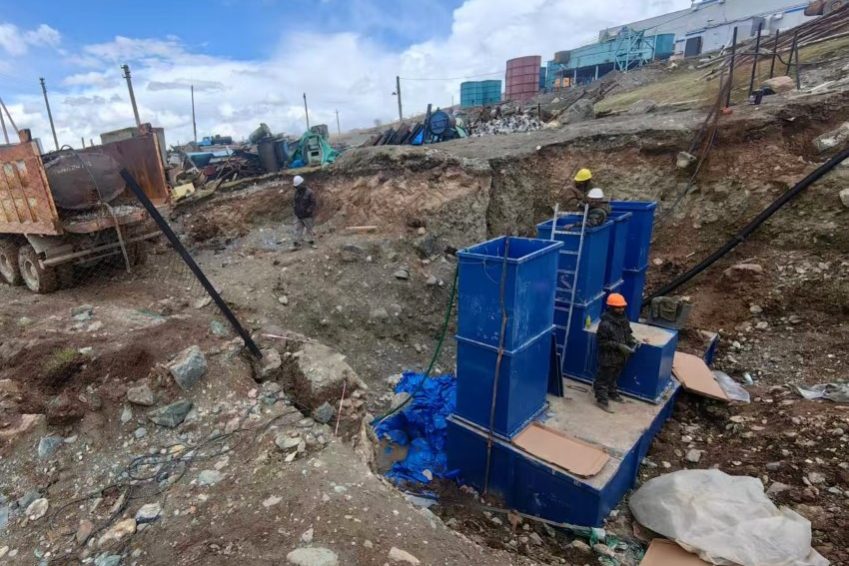
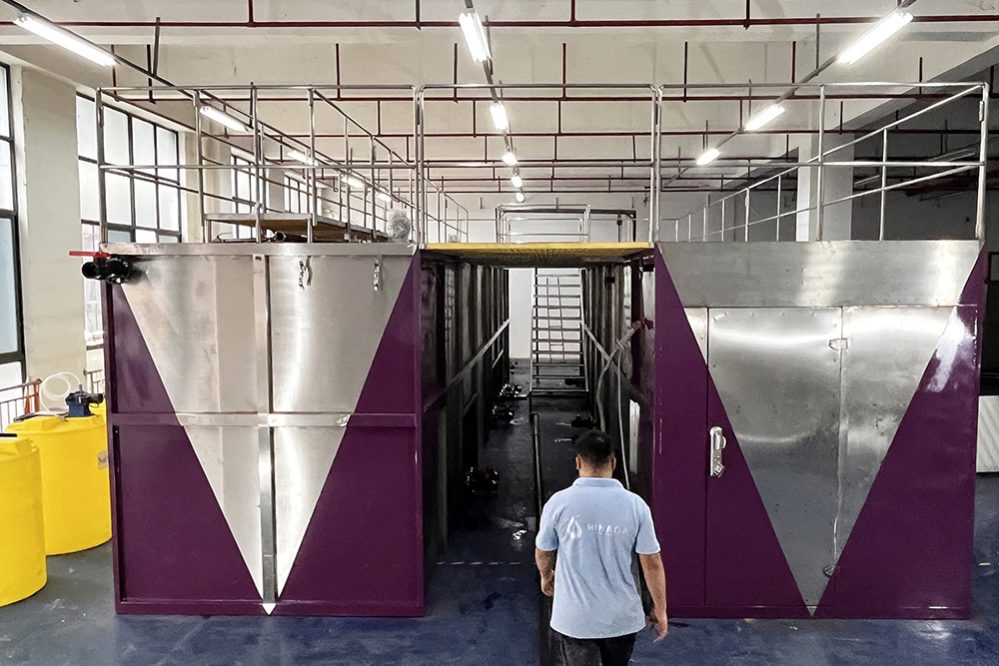
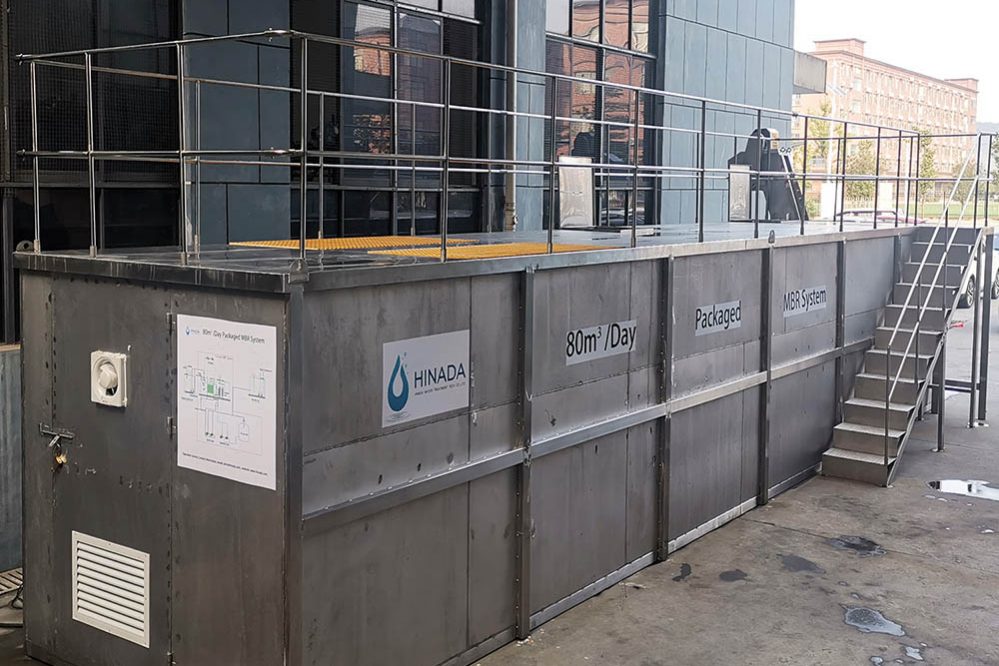
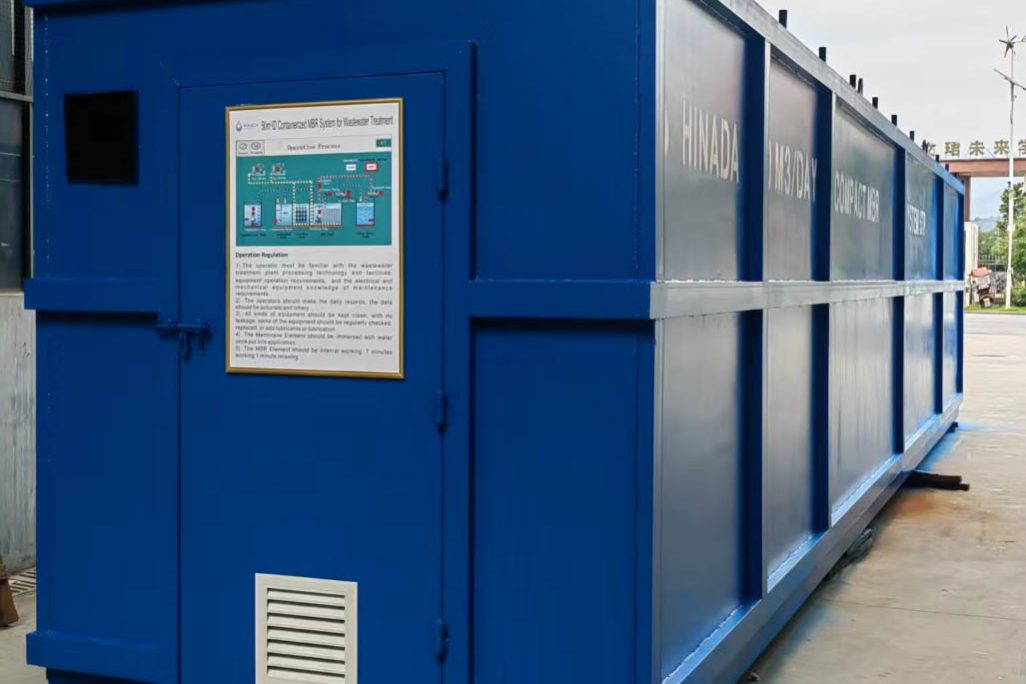
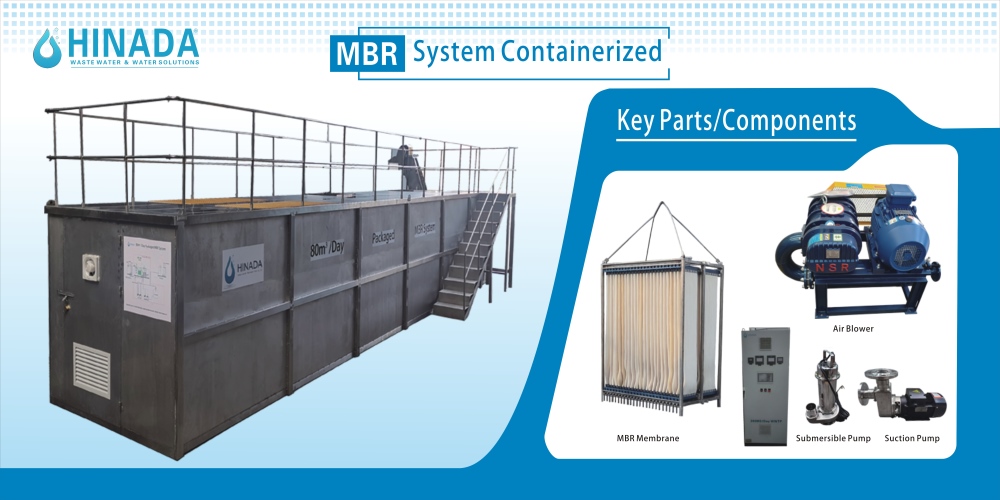
Containerized MBR System for Wastewater Treatment is a fully integrated, prefabricated built inside a standard shipping container. It combines advanced MBR membrane technology with biological treatment processes to deliver high-quality effluent for discharge or reuse. The system is designed for plug-and-play on-site operation, making it ideal for decentralized wastewater treatment where space, time, and construction costs are critical factors
Description
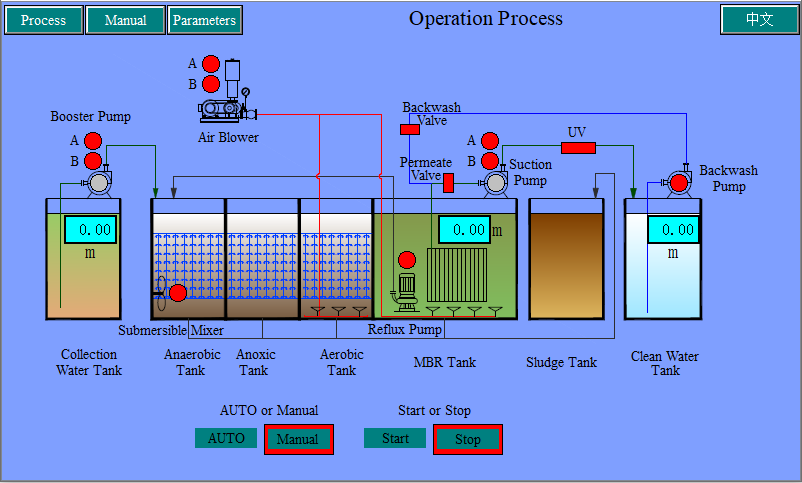
This Wastewater System in Containerized (Membrane Bioreactor) Treatment Plant is designed for municipal and industrial wastewater treatment, the combination of a membrane process like microfiltration or ultrafiltration with a suspended. The MBR system provides an aerobic microbiological treatment of waste water in which good efficiency is acquired and purified water of good quality is achieved.
MBR System Key Features
-
Fully Automated Operation: The system runs automatically according to water level controlling, requiring minimal operator intervention and simplifying management.
-
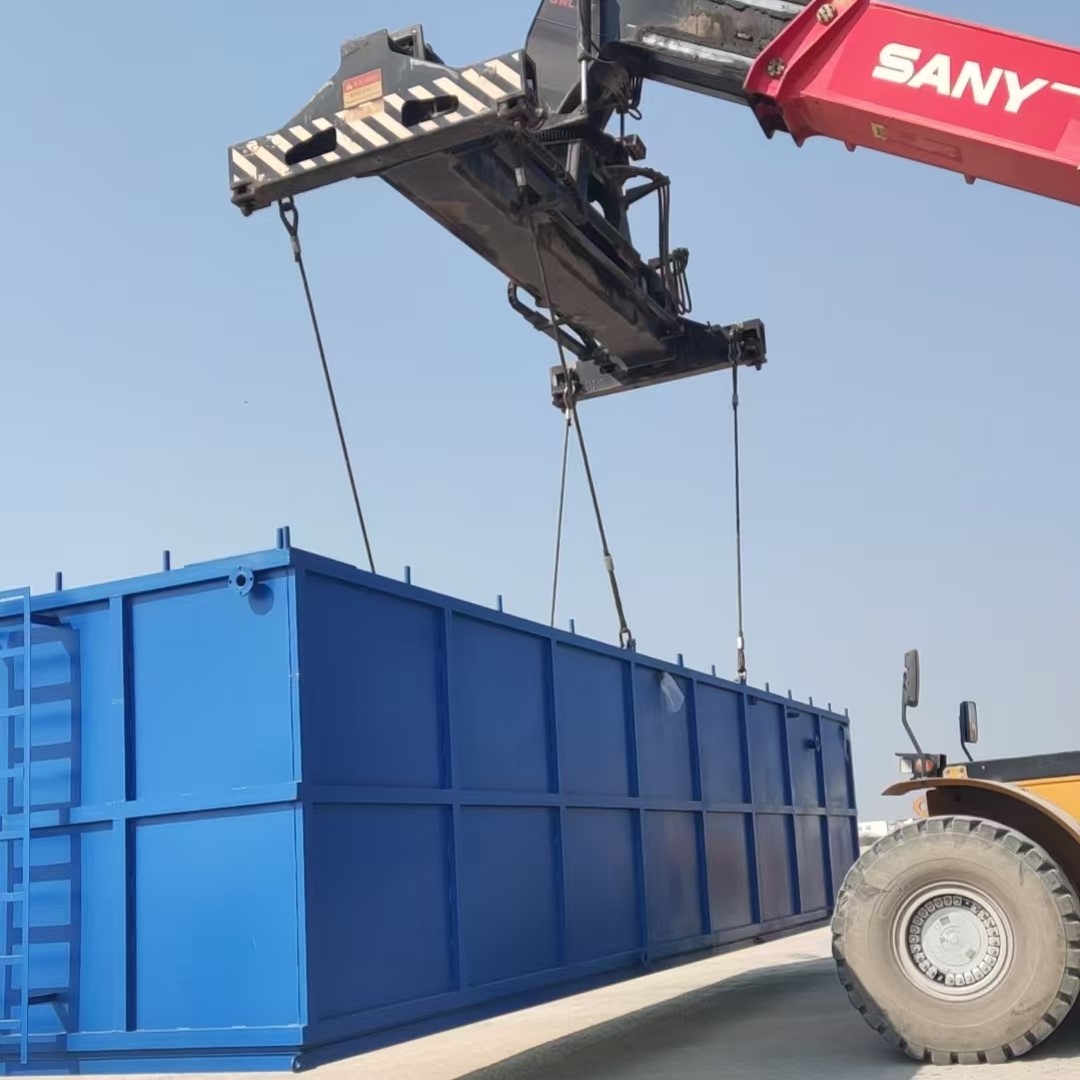
Compact & Mobile: in moveable container , it is easily transportable and requires minimal civil construction.
-
High-Quality Effluent: The MBR process removes bacteria, viruses, and suspended solids, producing effluent that meets international standards for discharge or reuse in irrigation and toilet flushing.
-
Cost-Effective: Especially economical for small-to-medium capacity projects, with lower installation and operational costs compared to conventional plants.
-
Customizable: Capacity and treatment process can be tailored to specific wastewater characteristics and discharge requirement
FRQ
- Can the treated water be reused?
Yes. With appropriate disinfection, the effluent can be reused for irrigation, toilet flushing, cleaning, cooling tower makeup, and other non-potable applications.
2) . What membrane type is used?
Hinada MBR systems typically use submerged hollow-fiber PVDF or reinforced PVDF membranes with a pore size of approximately 0.1–0.4 µm.
3). How long do MBR membranes last?
Normally 5–8 years with proper operation, cleaning, and pre-treatment. Actual life depends on wastewater characteristics and maintenance.
4). How often do membranes need cleaning?
Maintenance cleaning is usually every 1–3 months. Recovery cleaning may be needed every 6–12 months, depending on fouling and operating conditions.
5). What pre-treatment is required?
Fine screening (1–3 mm), grit removal, oil/grease removal if present, and equalization. Industrial wastewater may need pH adjustment, coagulation, flocculation, or other chemical treatment.
Application
-
Municipal & Domestic Sewage: Remote communities, islands, and residential complexes without access to municipal sewer networks.
-
Hotels & Resorts: Effective treatment despite variable seasonal flows.
-
Industrial Wastewater: Food processing, car wash, surface metal treatment, and other industrial effluents.
-
Temporary & Remote Sites: Refugee camps, military camps, construction sites, and offshore platforms
Benifits
* System operates at a low pressure
* Removes bacteria and viruses
* Keeps essential minerals in water
* Installs quickly and easily
* Does not generate waste water
* An ultrafiltration system is eco-friendly. Ultrafiltration has a 90-95% recovery rate and can be used to treat wastewater for reuse. Using a home ultrafiltration water system benefits the environment by reducing the amount of plastic water bottles discarded in landfills.
Package
In container or Plywood case.
Our Service
* We are the manufacturer of MBR Membrane, MBR system for waste water treatment, residential wastewater treatment systems, wastewater package plants, we can produce the products according to your requirements.
* We Provides a full range of services , from the design proposal, producing to installation and testing, even after sale. We regard our customer as a long term business partner.
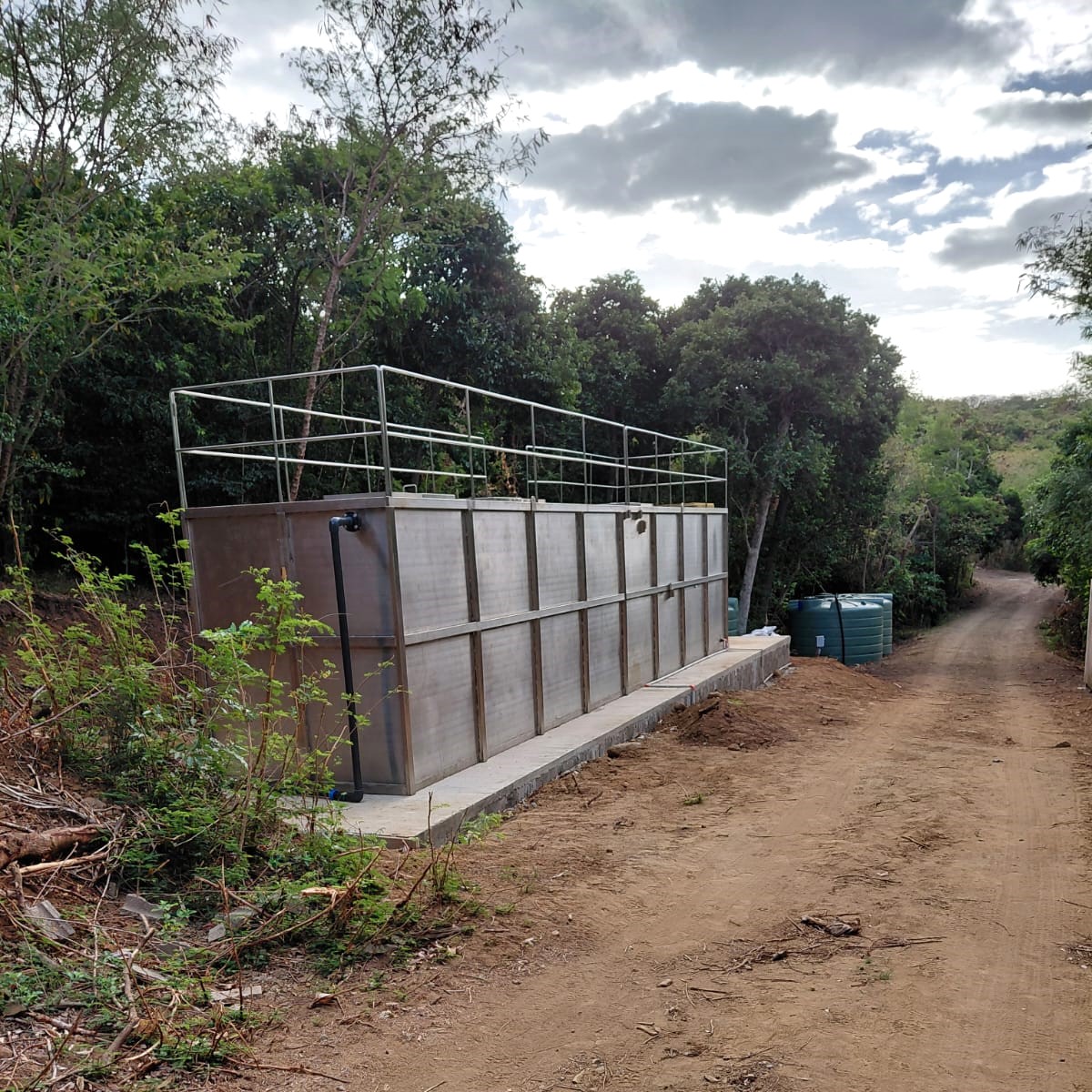
*Project Sample as your reference:
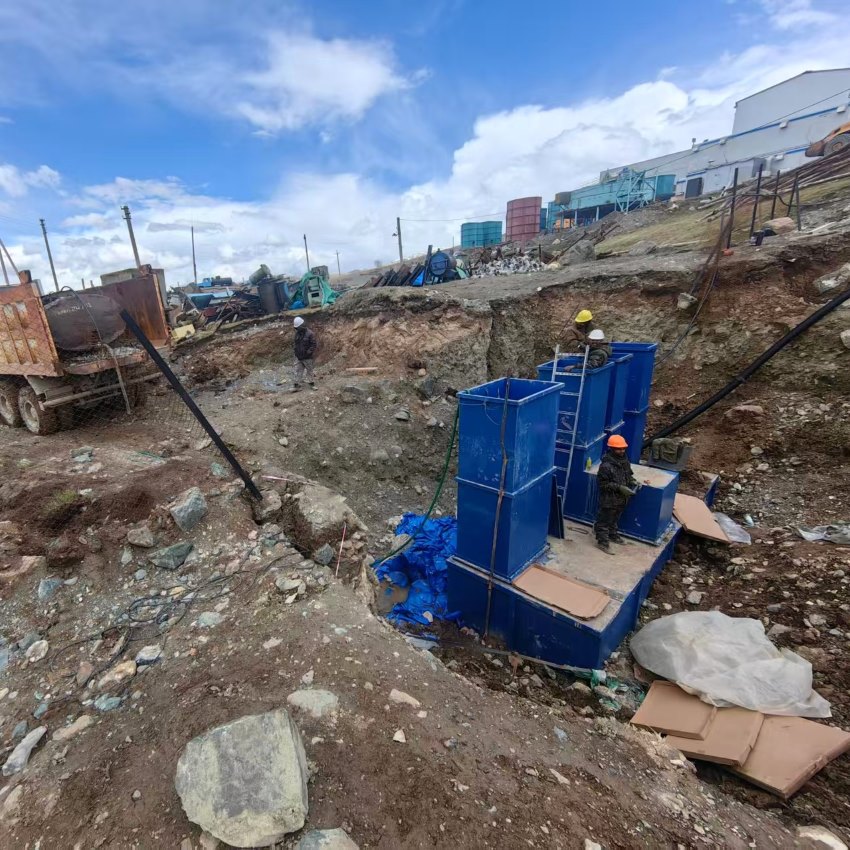
Underground Waste Water MBR System in Container
- Description:
-
Description
This Wastewater System in Containerized (Membrane Bioreactor) Treatment Plant is designed for municipal and industrial wastewater treatment, the combination of a membrane process like microfiltration or ultrafiltration with a suspended. The MBR system provides an aerobic microbiological treatment of waste water in which good efficiency is acquired and purified water of good quality is achieved.
MBR System Key Features
-
Fully Automated Operation: The system runs automatically according to water level controlling, requiring minimal operator intervention and simplifying management.
-
Compact & Mobile: in moveable container , it is easily transportable and requires minimal civil construction.
-
High-Quality Effluent: The MBR process removes bacteria, viruses, and suspended solids, producing effluent that meets international standards for discharge or reuse in irrigation and toilet flushing.
-
Cost-Effective: Especially economical for small-to-medium capacity projects, with lower installation and operational costs compared to conventional plants.
-
Customizable: Capacity and treatment process can be tailored to specific wastewater characteristics and discharge requirement
FRQ
- Can the treated water be reused?
Yes. With appropriate disinfection, the effluent can be reused for irrigation, toilet flushing, cleaning, cooling tower makeup, and other non-potable applications.
2) . What membrane type is used?
Hinada MBR systems typically use submerged hollow-fiber PVDF or reinforced PVDF membranes with a pore size of approximately 0.1–0.4 µm.3). How long do MBR membranes last?
Normally 5–8 years with proper operation, cleaning, and pre-treatment. Actual life depends on wastewater characteristics and maintenance.4). How often do membranes need cleaning?
Maintenance cleaning is usually every 1–3 months. Recovery cleaning may be needed every 6–12 months, depending on fouling and operating conditions.5). What pre-treatment is required?
Fine screening (1–3 mm), grit removal, oil/grease removal if present, and equalization. Industrial wastewater may need pH adjustment, coagulation, flocculation, or other chemical treatment. -
- Application
-
Application
-
Municipal & Domestic Sewage: Remote communities, islands, and residential complexes without access to municipal sewer networks.
-
Hotels & Resorts: Effective treatment despite variable seasonal flows.
-
Industrial Wastewater: Food processing, car wash, surface metal treatment, and other industrial effluents.
-
Temporary & Remote Sites: Refugee camps, military camps, construction sites, and offshore platforms
-
- Benefits
-
Benifits
* System operates at a low pressure
* Removes bacteria and viruses
* Keeps essential minerals in water
* Installs quickly and easily
* Does not generate waste water
* An ultrafiltration system is eco-friendly. Ultrafiltration has a 90-95% recovery rate and can be used to treat wastewater for reuse. Using a home ultrafiltration water system benefits the environment by reducing the amount of plastic water bottles discarded in landfills. - Package
-
Package
In container or Plywood case.
- Our Service
-
Our Service
* We are the manufacturer of MBR Membrane, MBR system for waste water treatment, residential wastewater treatment systems, wastewater package plants, we can produce the products according to your requirements.
* We Provides a full range of services , from the design proposal, producing to installation and testing, even after sale. We regard our customer as a long term business partner.
*Project Sample as your reference:
Underground Waste Water MBR System in Container