Printing Plant Wastewater Treatment System
| MBR + NF How to effectively treat wastewater from printing and ink use?
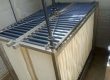
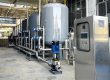
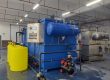
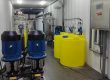
In this video, our client demonstrates a printing plant wastewater treatment system on-site, explaining the main process steps and how the equipment works. The system combines several treatment technologies, including: pH adjustment and mixing Sludge separation and filter press Anaerobic and aerobic biological treatment MBR membrane filtration Multimedia filtration Nanofiltration (NF) UV disinfection
This integrated industrial wastewater treatment solution is designed for wastewater from printing and ink processes. It reduces suspended solids, organic pollutants, color, and other contaminants before the water is reused or discharged in accordance with local regulations.
Hinada provides wastewater treatment systems, MBR systems, UF membranes, DAF systems, and membrane filtration solutions for industrial water treatment and reuse projects.
Printing Ink Wastewater System treatment overall process
Printing Ink wastewater effluent, the capacity will be 5-20m3/Day,24 hours working per day.
Output Water quality: meet the discharge standard to STP
Wastewater inlet → PH Adjustment→ PAC→ PAM→ Dewatering→Anaerobic treatment→ Aerobic treatment→ MBR→ Nanofiltration→ effluent.
it is an integrated wastewater treatment system designed for treating high-color, high-COD, and difficult-to-biodegrade wastewater generated from printing, packaging, ink manufacturing, and related industrial processes.
Printing ink wastewater usually contains pigments, dyes, resin, solvents, surfactants, suspended solids, organic chemicals, and cleaning agents. These pollutants make the wastewater highly colored, chemically complex, and difficult to treat with a single process.