Reverse Osmosis Water Treatment Plant: Complete Guide, Process, System and Cost
Picture a factory manager who turns on the tap and sees white scale building up on pipes, boilers, and machines. The water is clear, but it contains large amounts of dissolved salts. There are costs of repair, failed quality control, and everyone asks the same question: how to solve this problem once and for all? And for many factories, the solution is a reverse osmosis water treatment plant. It accepts difficult, saline, or dangerous water and converts it into purified water that meets your needs. In this concise guide, you will learn what reverse osmosis means, how it works, its applications, factors affecting reverse osmosis plant cost, and how to choose the best reverse osmosis system for you.
What Is a Reverse Osmosis Water Treatment Plant?
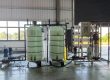
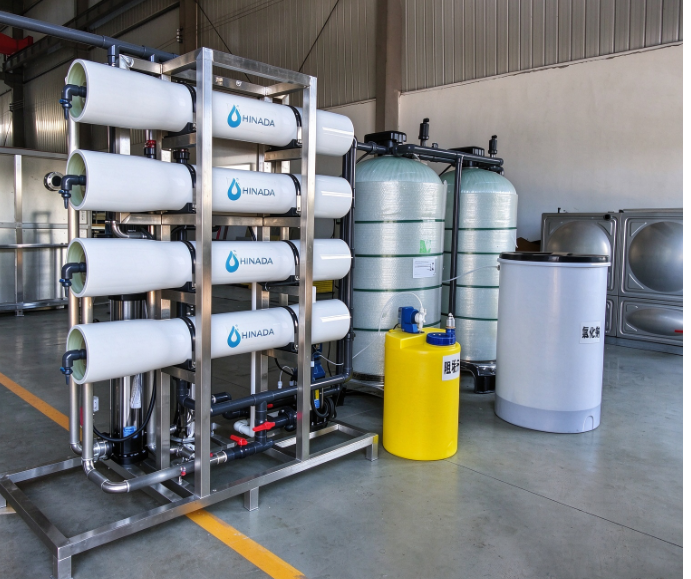
A reverse osmosis water purification plant refers to the collection of equipment that is used to clean water using a membrane filtration process. You can imagine the membrane as a very small filter where the water moves through while other particles such as salts get left behind. Therefore, one end gives out purified water while the other gives concentrated water known as reject water.
What does RO remove?
- Dissolved salts and minerals
- Hardness that results in scaling
- Different types of metals, such as iron and lead
- Microorganisms and different types of viruses
- Unpleasant taste, smell, and colour
What kinds of water can it treat?
- Well water and groundwater from borewells
- Municipal and tap water
- Surface water, including river and lake water (after pre-treatment)
- Water with a medium level of salinity
- Seawater (with an innovative system)
Why do people use it?
The purpose of a reverse osmosis water treatment plant is clear – to get quality water free from any threats.
How Does Reverse Osmosis Work?
It is a complete process of water purification using a reverse osmosis water treatment plant. Each of the steps mentioned below is very short and clear.
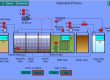
Raw water → Pre-treatment → Pressure → RO membrane → Treated water + reject water
- The raw water comes into the system: It is extracted from wells, tanks, or feed lines.
- Pre-treatment helps to protect the membrane from damage: The filtration process eliminates dirt, soil, and rust from the water. Alternatively, the pre-treatment may include water softening or elimination of any chlorine in the water since it damages the membrane.
- The pressure is created: A high-pressure pump pushes the water through the membrane. Increased pressure is needed when the water contains many salts.
- The membrane does the job: Water molecules get through the small pores of the membrane while salts, hardness, and most of the soil do not.
- Two flows come out: One is treated water, prepared for storage and further use, while another is reject water that takes the salts away.
Effective pre-treatment is the key to any reverse osmosis treatment plant. The lifespan of a membrane, energy consumption and constant water quality will depend on whether the membrane remains clean. That is why wise customers will not skip this step.