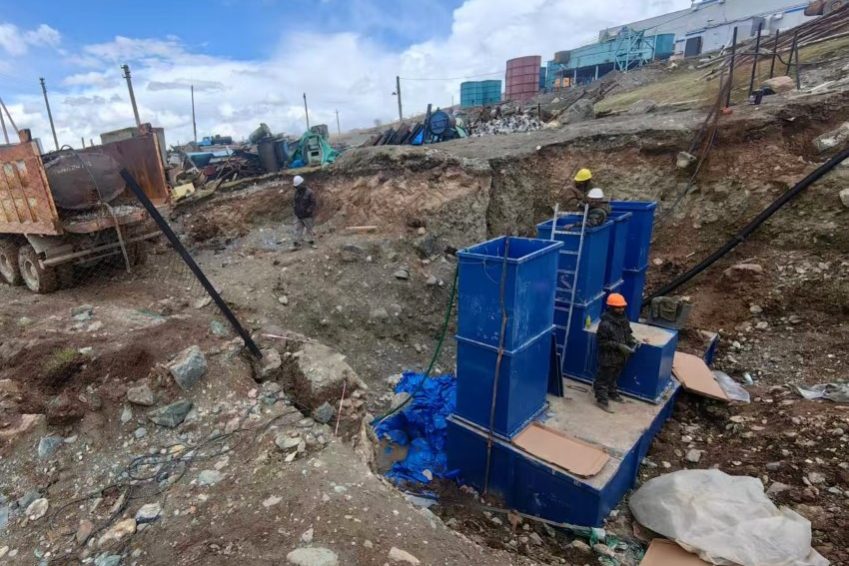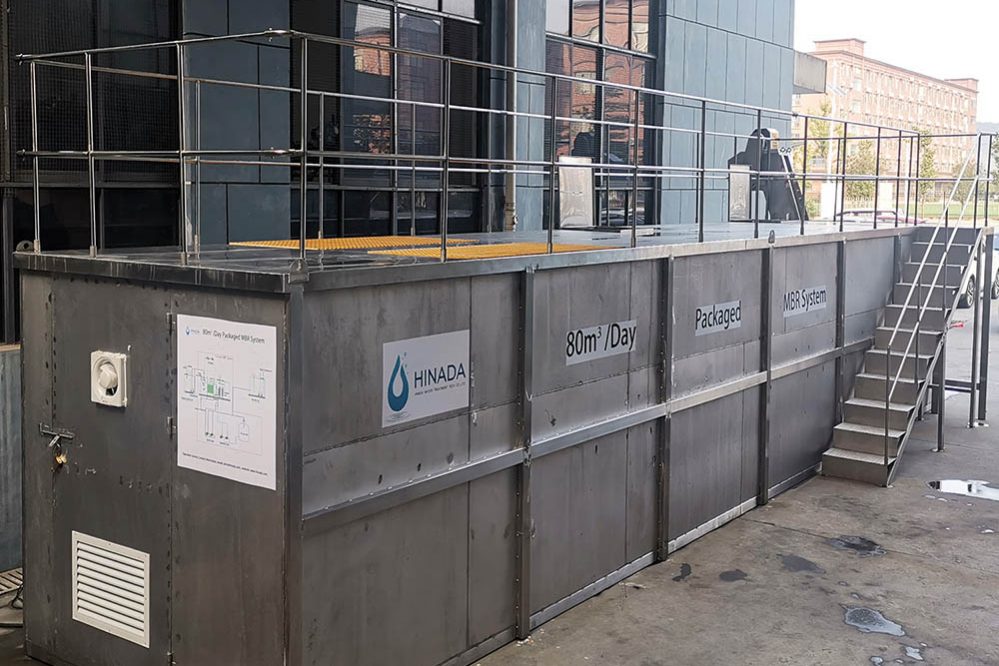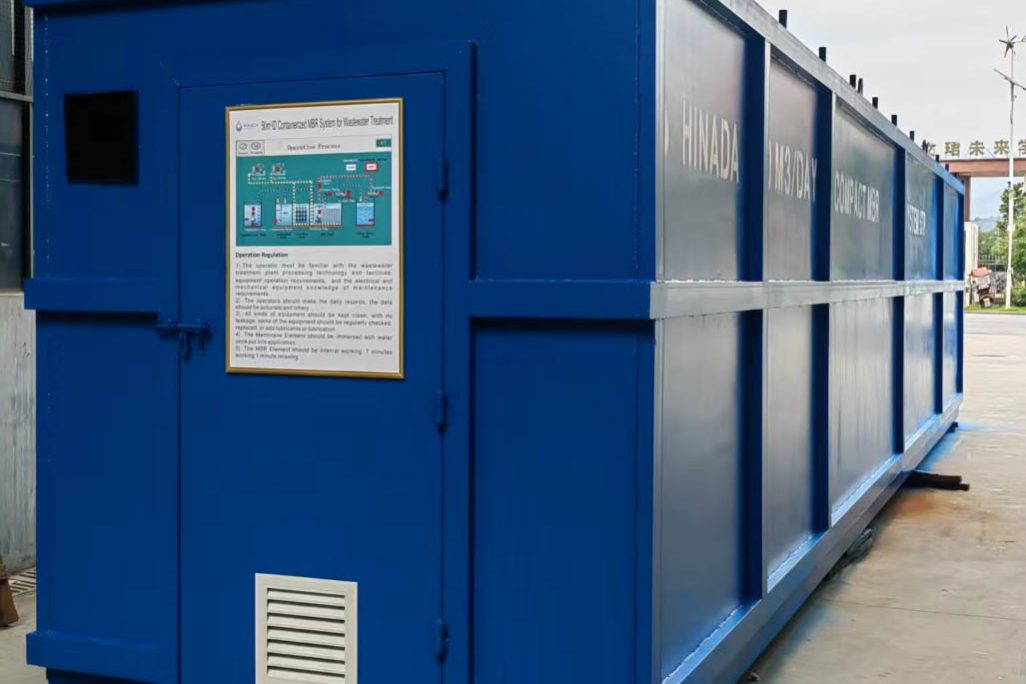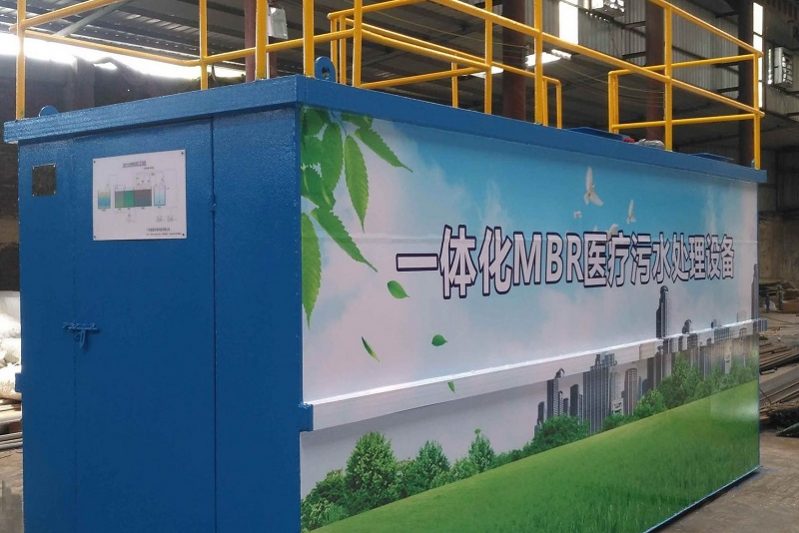
Industrial Wastewater Surface Metal Wastewater Treatment Equipment Containerized
The parameters of this MBR System:
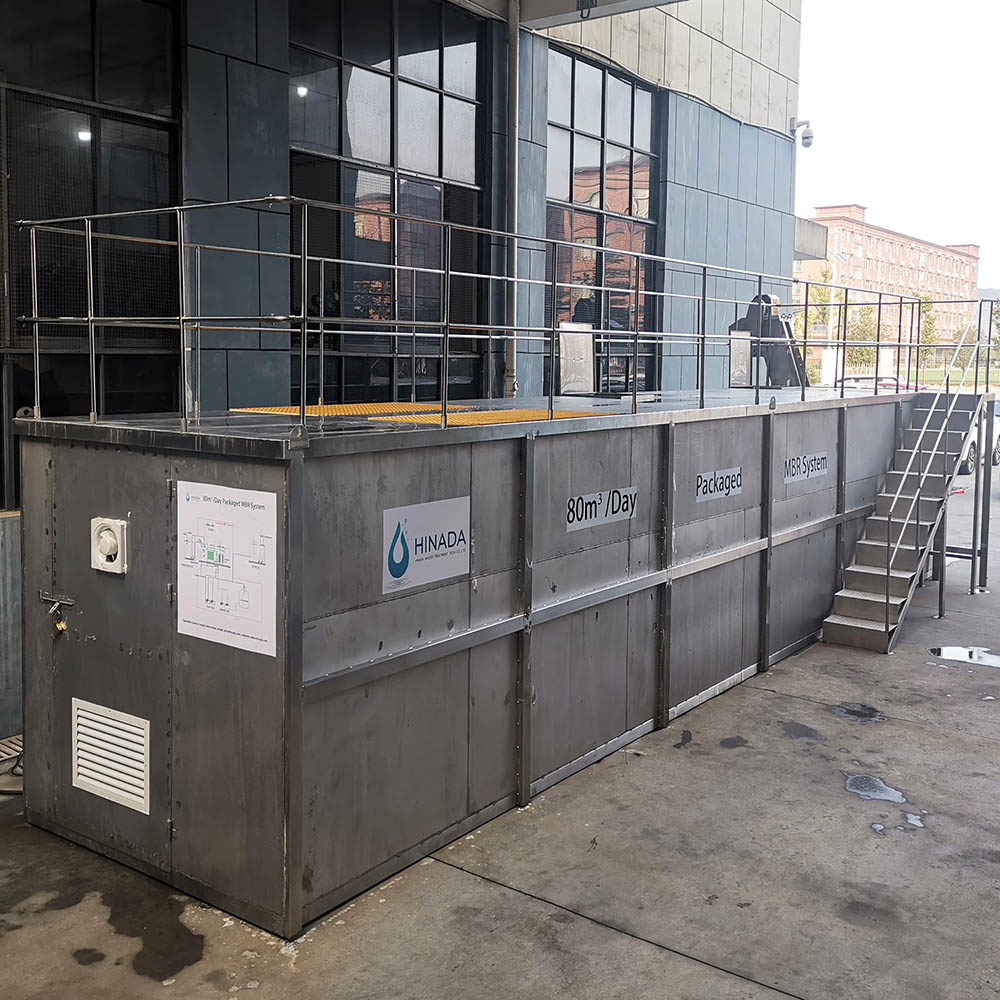
Average Capacity: 120m3/Day
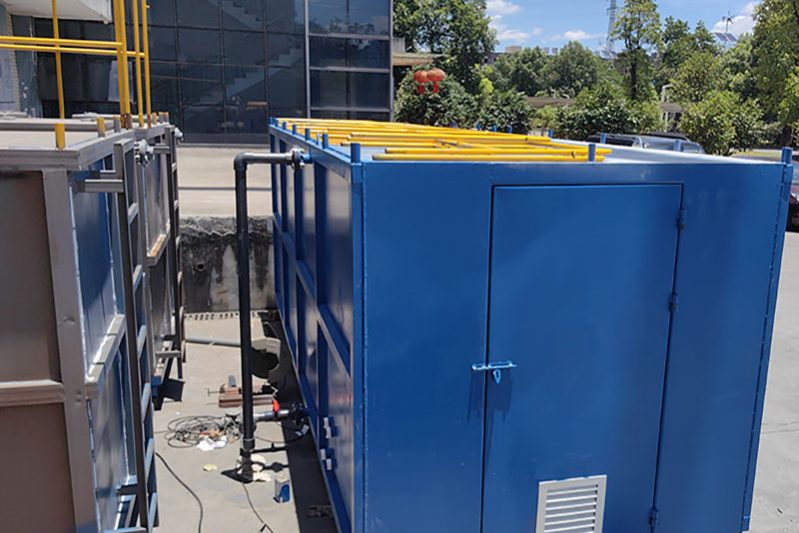
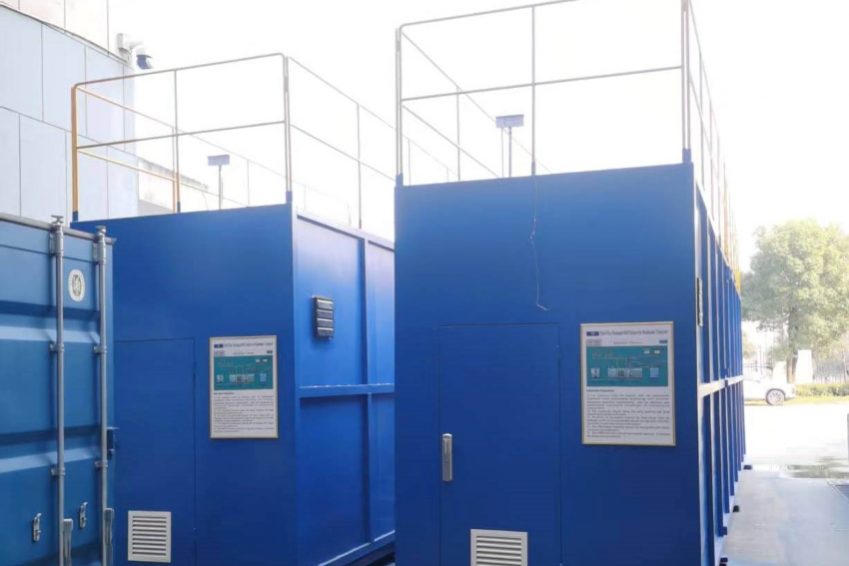
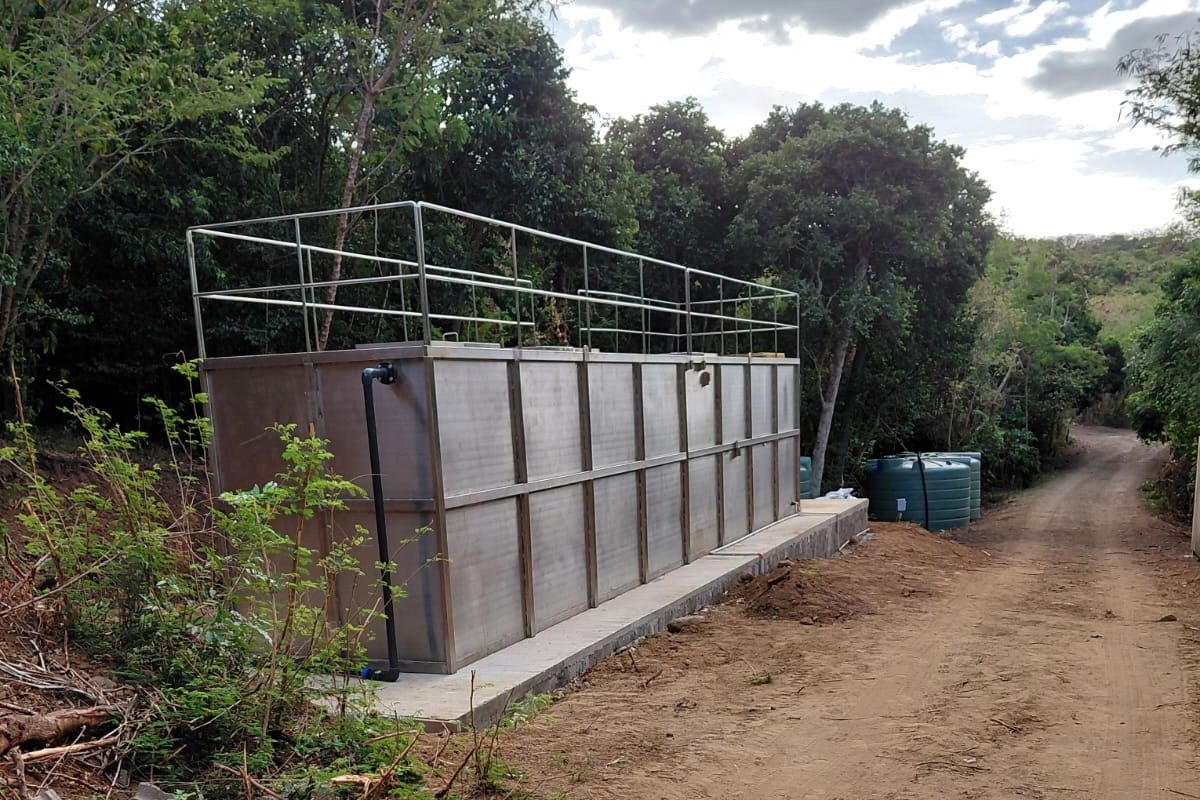
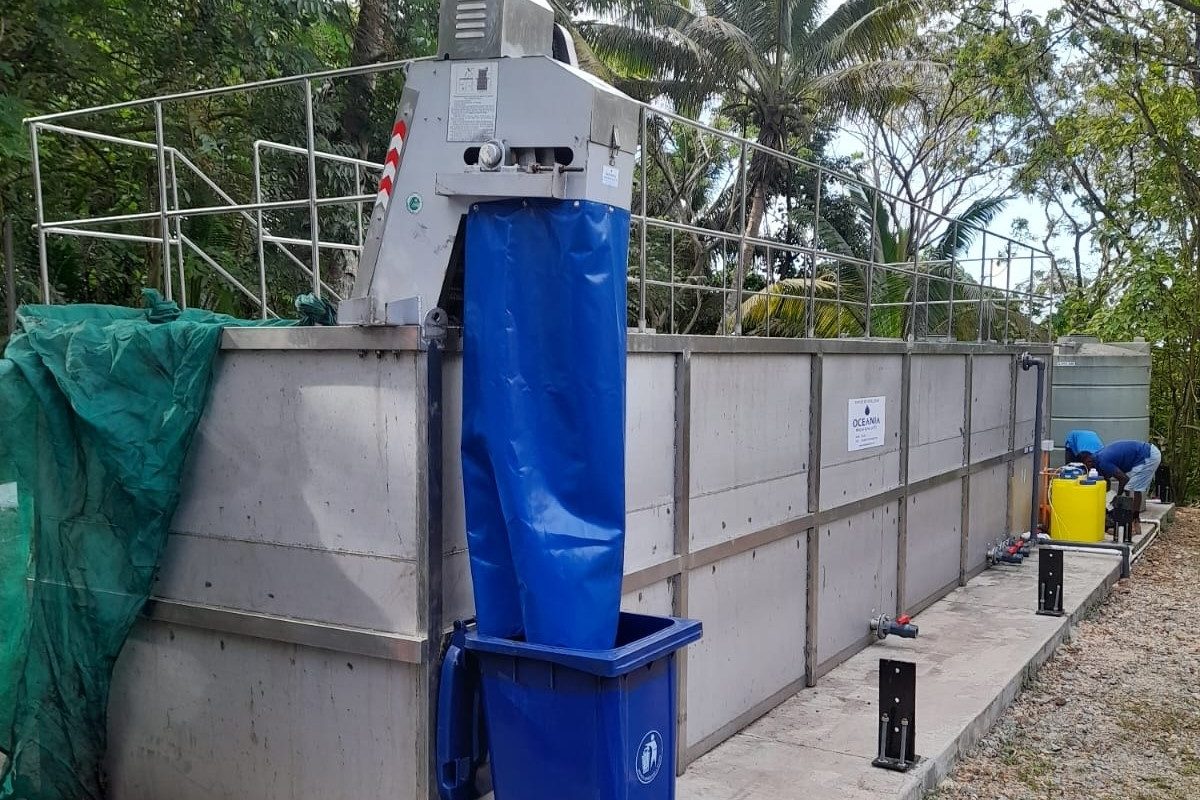
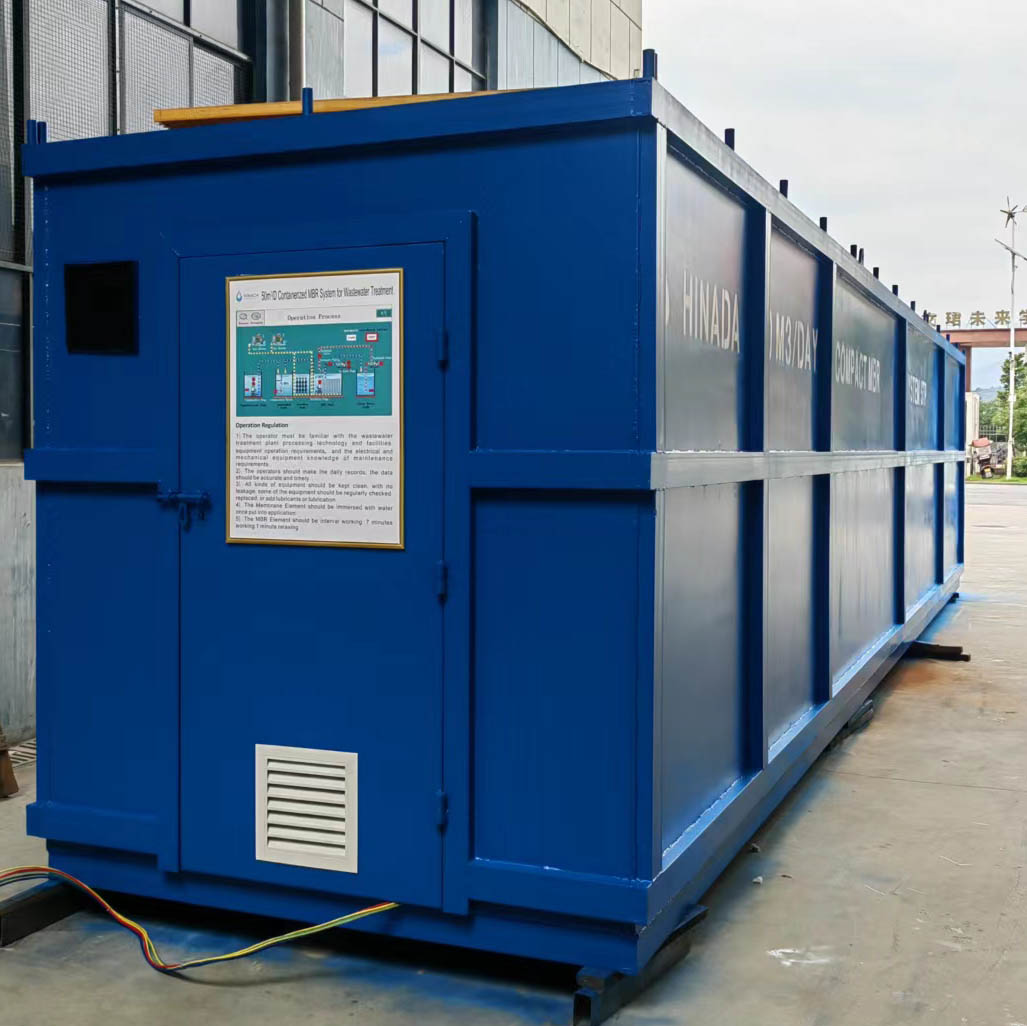
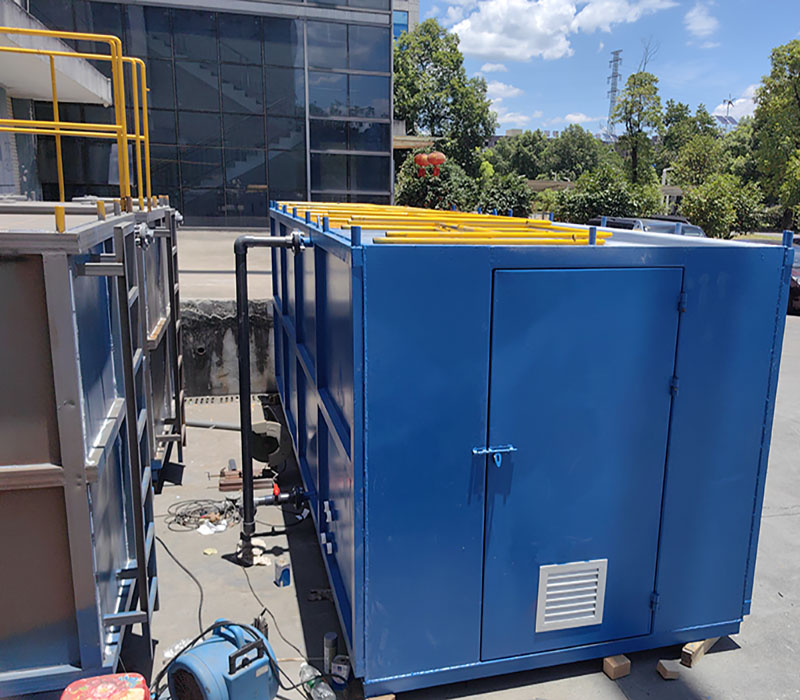
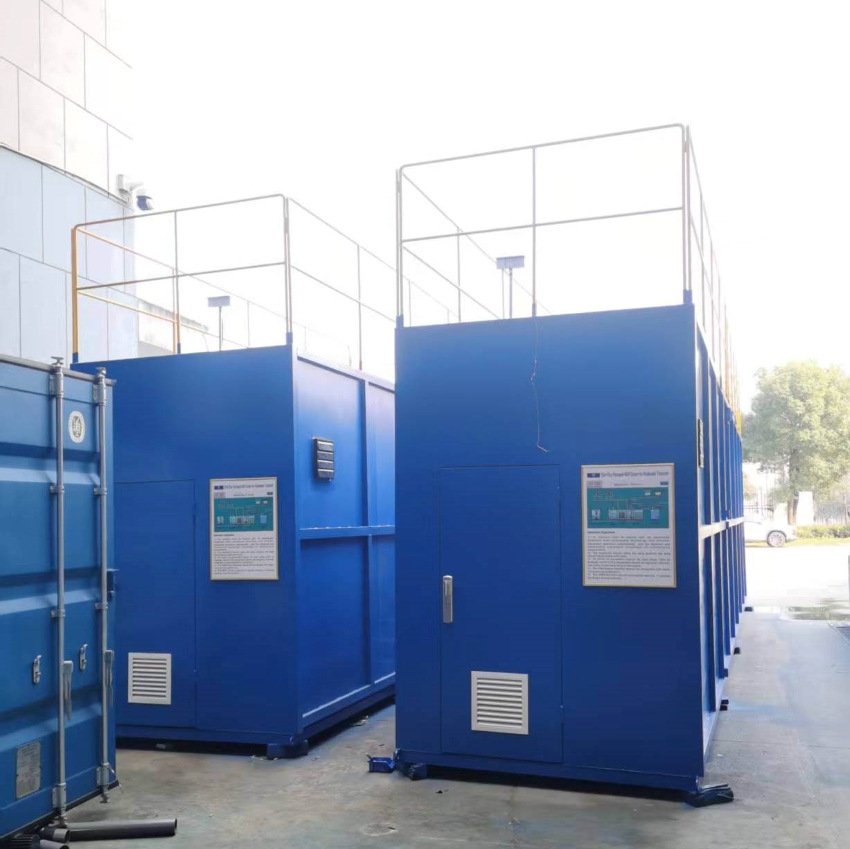
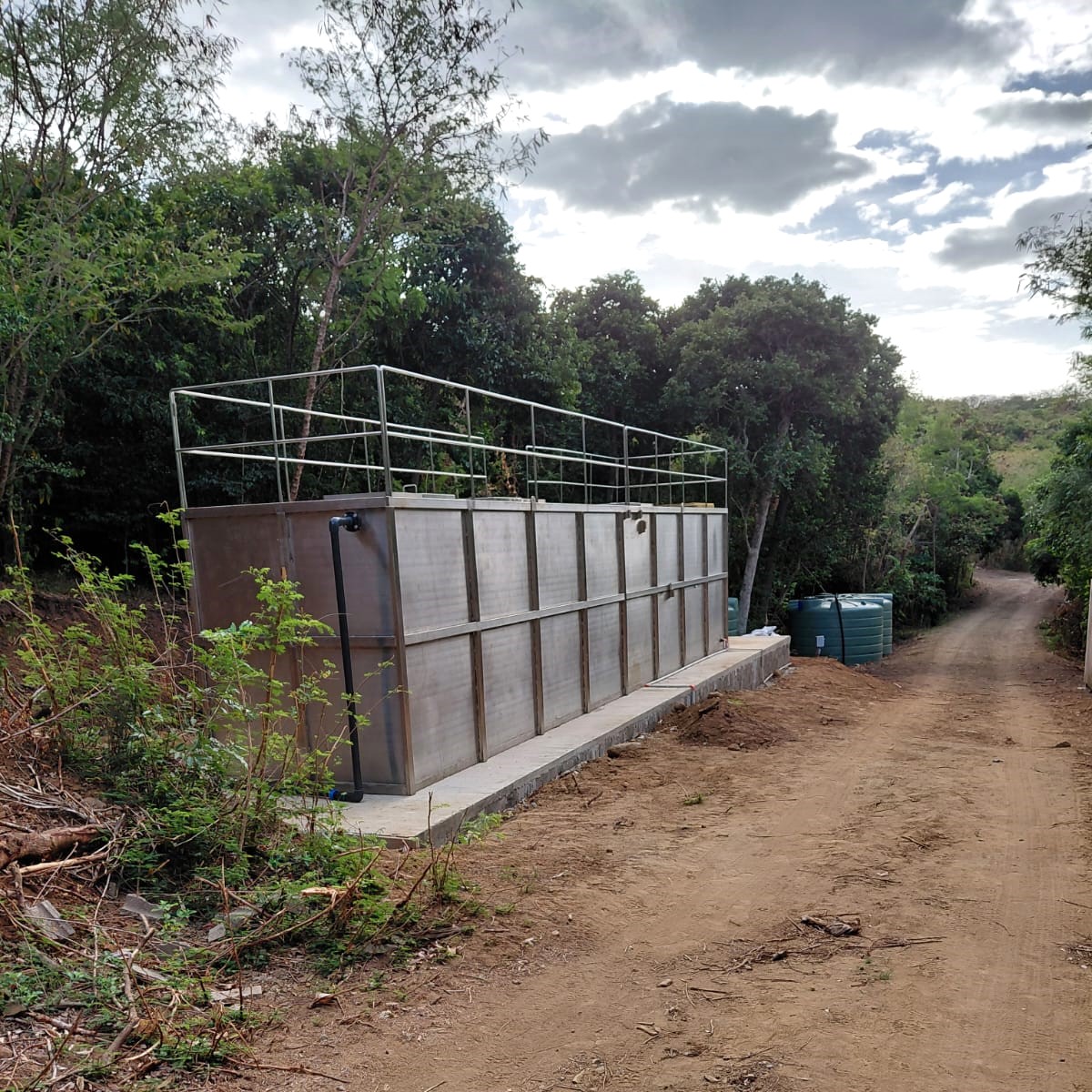
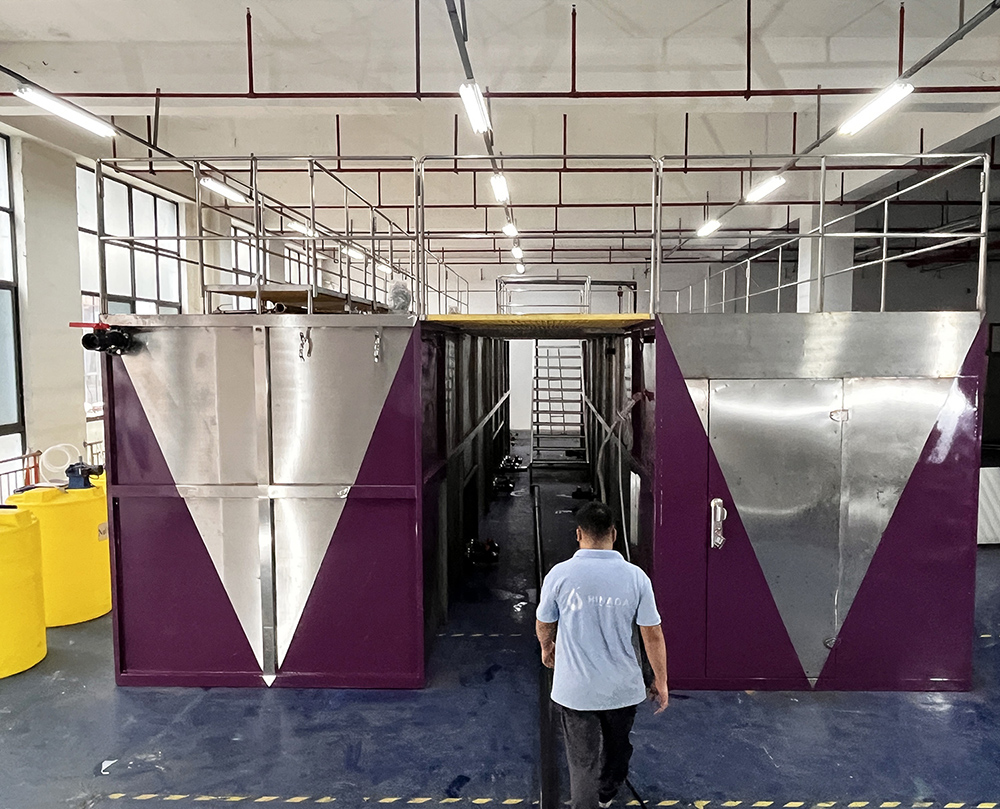
Material of Container: SUS304 Material Tank + .Epoxy +Fluorocarbon top painting
Dimension:2.3×2.5×11.5m <W*H* L> * 2 set
Power Consumption :7.5KW/H
Controlling: Automatic Running
Output Water Quality: Meet the international standards, for discharge or reuse in irrigation.
Input water quality: Surface Metal wastewater or equivalent with COD around 800mg/L, but TDS ≤8000mg/L, and has Ni =3mg/L, Cu=2mg/L.
the capacity will be 5m3/Hour, 24hours working per day.
Output Water quality: meet the discharge standard and can use for toilet flushing, gardening, irrigation
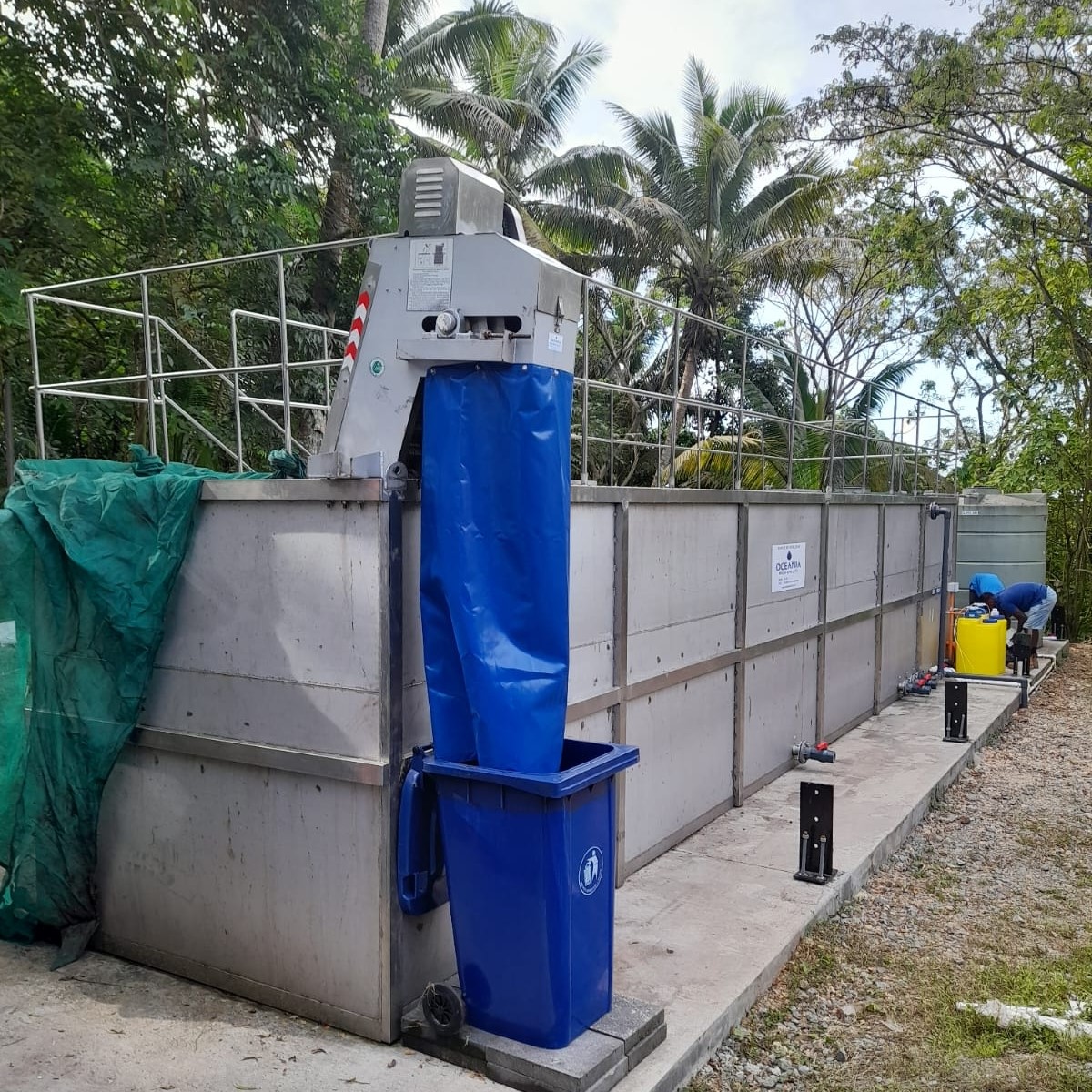
Treatment Process: Wastewater——Bar Screening——Dosing System for Ni remove———Dosing System for Cu remove /——— Anaerobic Tank (MBBR)——Aerobic Tank (MBBR) ——MBR Tank MBR Membrane ——Clean Water Tank ——Equipment Room—–sand/carbon filter—-RO system
Containerized MBR System treatment process:
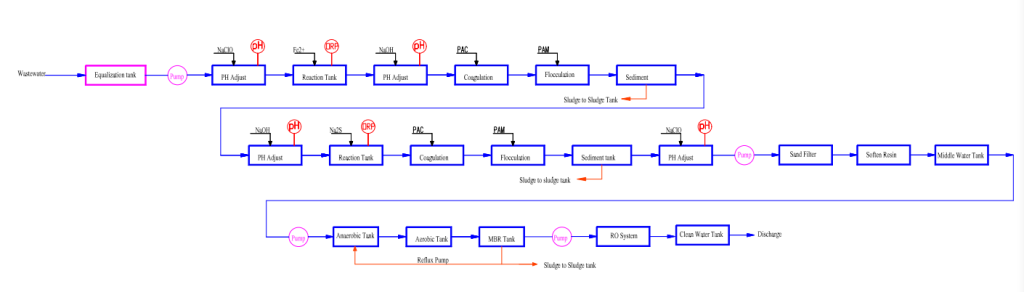
Dosing System (Ni Removing)
For electroplating nickel-containing wastewater and electroless nickel plating wastewater, chemical precipitation can be used for treatment. This method does not require complex equipment. Specifically, for electroplating nickel-containing wastewater, alkali can be directly added to adjust the pH to 11, followed by the addition of PAC (polyalanine chloride) and PAM (polyacrylamide) for coagulation and sedimentation.
Reaction Principle:
Ni²⁺ + 2OH⁻ → Ni(OH)₂ (↓)
Reaction Condition: pH = 10–11
For nickel-containing wastewater with complexing agents, the first step should be to break down the complexes, followed by chemical precipitation.
Dosing System (Cu Removing)
copper is easily oxidized from the +1 valence state to the +2 valence state, although the stability constant of the Cu(CN)₃²⁻ complex ion is relatively large, divalent copper cannot form a stable complex with cyanide ions. Therefore, Cu(CN)₃²⁻ is still readily oxidized, resulting in the conversion of +1 valence copper to +2 valence copper and the oxidation of cyanide. In contrast, Fe(CN)₆⁴⁻ is different. Due to its relatively large stability constant, it is not easily oxidized under conditions of low effective chlorine concentration or low reaction temperature. When the reaction conditions are intensified to oxidize +2 valence iron to +3 valence, since Fe(CN)₆³⁻ remains very stable, the cyanide ions do not dissociate and are not oxidized.
Reaction Principle:
Cu²⁺ + 2OH⁻ → Cu(OH)₂ (↓)
Reaction Condition: pH = 9.5–10.5
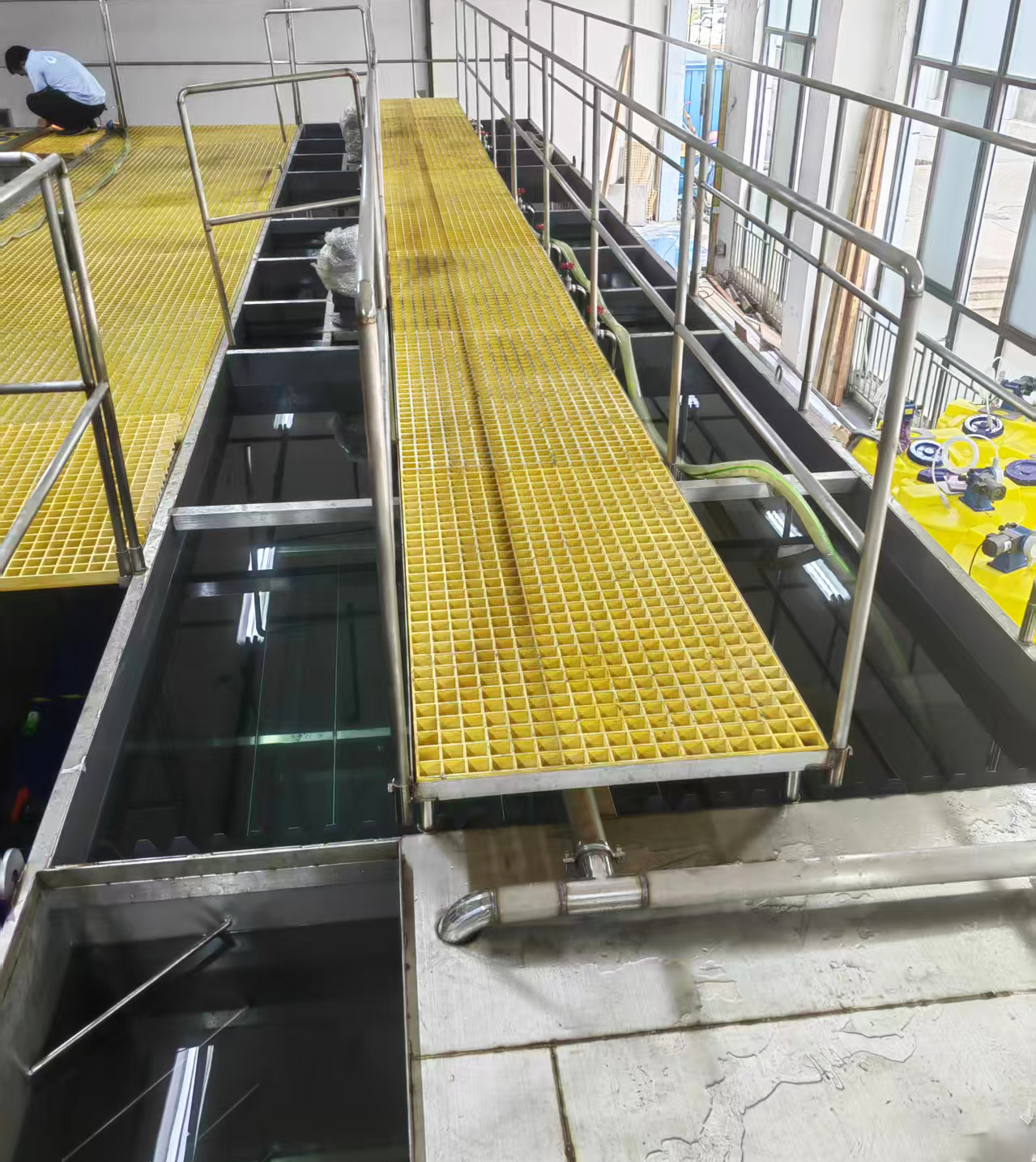
Anaerobic tank which the digestion is a sequence of processes by which microorganisms break down biodegradable material in the absence of oxygen, There are four key stages of anaerobic digestion involve hydrolysis, acidogenesis, acetogenesis and methanogenesis, and the main function is removed the Nitrogen and bacteria, that will help down the BOD.
Aeration tank, the process involves air or oxygen being introduced into a mixture of screened, and primary treated sewage or industrial wastewater (wastewater) combined with organisms to develop a biological flock which reduces the organic content of the sewage. The main function is removing the nitrifying bacteria and phosphorus bacteria, and break down the COD& BOD
MBR System is separating the clean water from the sewage, membranes to separate solids and liquids, and keep the activated sludge inside of the biological system in higher level that MLSS can be 6000—8000mg/L. Membrane bioreactor processes can produce effluent of high enough quality for discharge into the oceans, surfaces, brackish bodies, or urban irrigation waterways. Other advantages of membrane bioreactors over conventional processes include reduced footprints and simpler retrofitting.
Clean water tank, for the effluent clean water, it can be use for agriculture application or discharge to environmental.
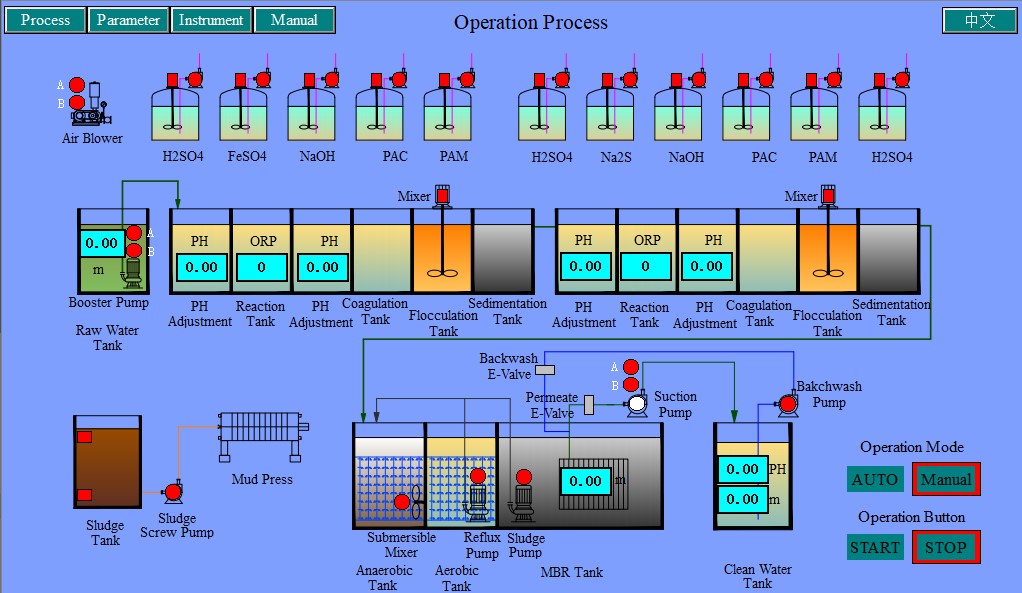
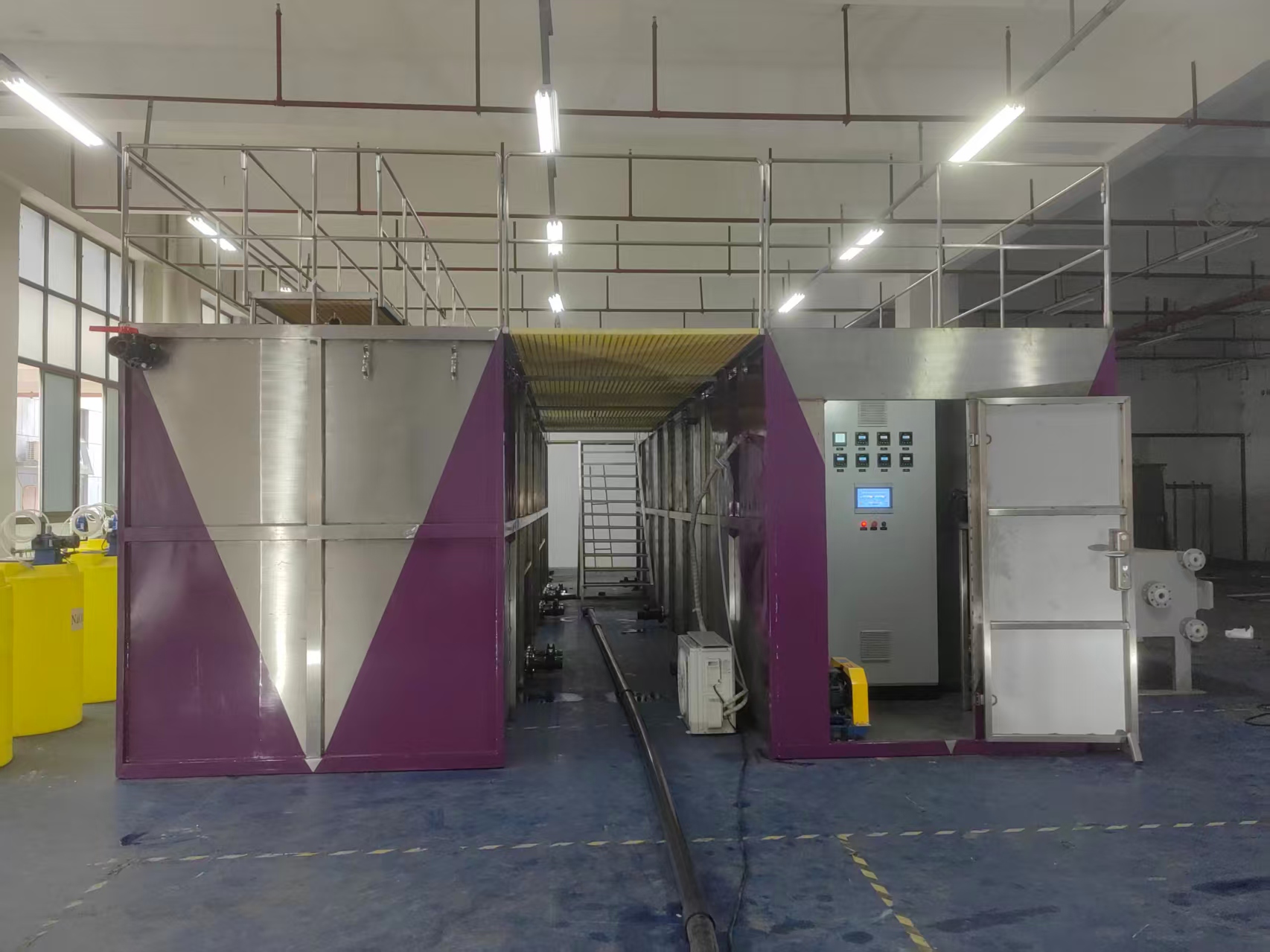
The Standard components for the mobile containerized MBR System
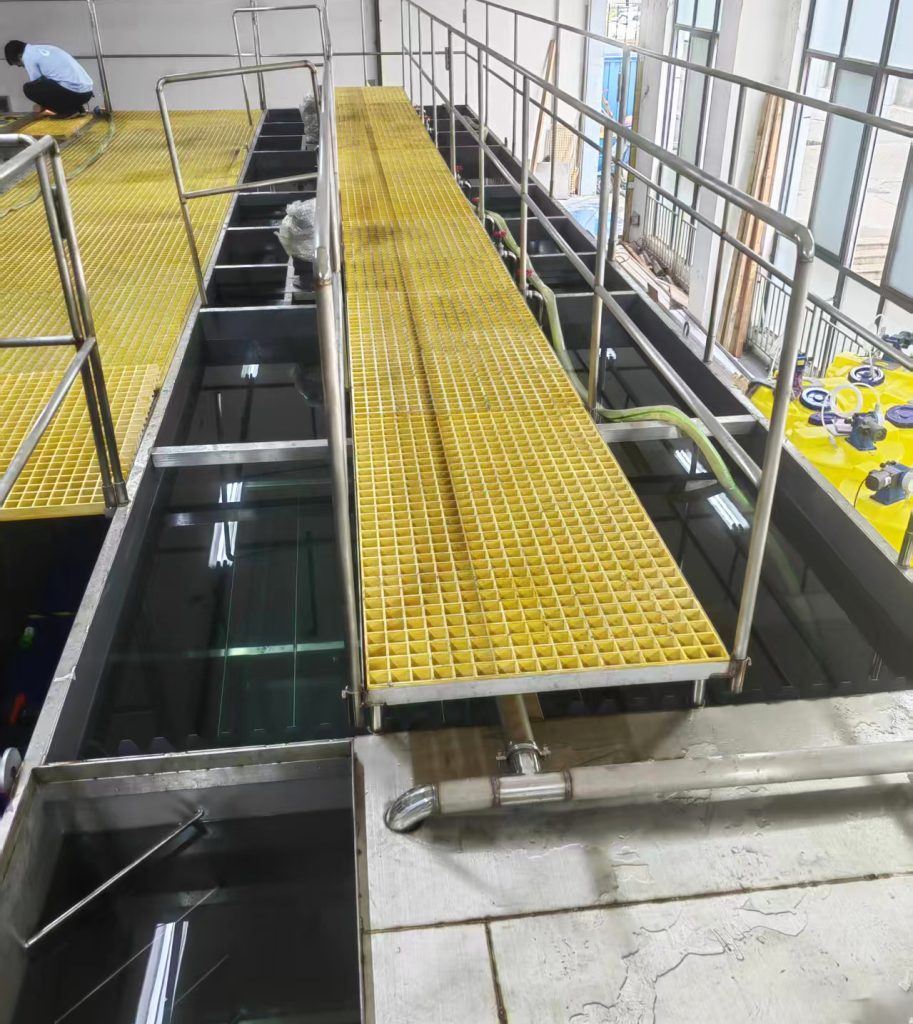
Applications
-
For electroplating nickel-containing wastewater and electroless nickel plating wastewater, chemical precipitation can be used for treatment.
-
Surface Metal wastewater or equivalent.
-
copper-containing wastewater
The advantages of mobile MBR wastewater plant:
- Cost savings, it’s especially for small capacity project.
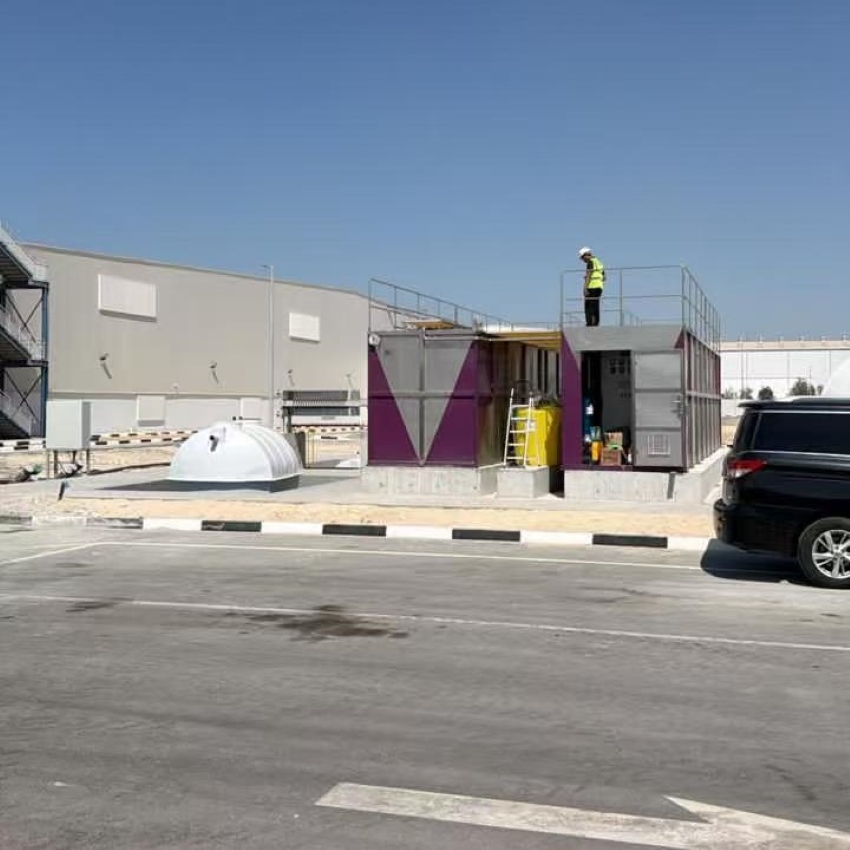
- Moveable and Less Constructuion works
- High Quality, Assembly it according to ISO standard and with quality parts
- Fully automatic, easy operation and management
- Everything from one source provider
- Customerized wastewater treatment plant, according to your project requirement.
The Benifits of Containerized MBR Plant:
* System operates at a low pressure
* Removes bacteria and viruses
* Keeps essential minerals in water
* Installs quickly and easily
* Does not generate waste water
* An ultrafiltration system is eco-friendly. Ultrafiltration has a 90-95% recovery rate and can be used to treat wastewater for reuse. Using a home ultrafiltration water system benefits the environment by reducing the amount of plastic water bottles discarded in landfills.
Package
The Containered Wastewater Equipment MBR will be packaged in container or plywood case.
Our Service
Hinada is a leading manufacturer of MBR membranes and wastewater treatment systems, with extensive experience in designing and fabricating containerized MBR plants for global clients. The equipments special provides end-to-end support, from design and manufacturing to installation, commissioning, and training, for industrial electroplating or surface metal wastewater treatment, this system is assembled according to ISO standards using high-quality components, ensuring reliable and long-term performance
- Description:
-
Input water quality: Surface Metal wastewater or equivalent with COD around 800mg/L, but TDS ≤8000mg/L, and has Ni =3mg/L, Cu=2mg/L.
the capacity will be 5m3/Hour, 24hours working per day.
Output Water quality: meet the discharge standard and can use for toilet flushing, gardening, irrigation
Treatment Process: Wastewater——Bar Screening——Dosing System for Ni remove———Dosing System for Cu remove /——— Anaerobic Tank (MBBR)——Aerobic Tank (MBBR) ——MBR Tank MBR Membrane ——Clean Water Tank ——Equipment Room—–sand/carbon filter—-RO system
Containerized MBR System treatment process:
Dosing System (Ni Removing)
For electroplating nickel-containing wastewater and electroless nickel plating wastewater, chemical precipitation can be used for treatment. This method does not require complex equipment. Specifically, for electroplating nickel-containing wastewater, alkali can be directly added to adjust the pH to 11, followed by the addition of PAC (polyalanine chloride) and PAM (polyacrylamide) for coagulation and sedimentation.
Reaction Principle:Ni²⁺ + 2OH⁻ → Ni(OH)₂ (↓)
Reaction Condition: pH = 10–11
For nickel-containing wastewater with complexing agents, the first step should be to break down the complexes, followed by chemical precipitation.
Dosing System (Cu Removing)
copper is easily oxidized from the +1 valence state to the +2 valence state, although the stability constant of the Cu(CN)₃²⁻ complex ion is relatively large, divalent copper cannot form a stable complex with cyanide ions. Therefore, Cu(CN)₃²⁻ is still readily oxidized, resulting in the conversion of +1 valence copper to +2 valence copper and the oxidation of cyanide. In contrast, Fe(CN)₆⁴⁻ is different. Due to its relatively large stability constant, it is not easily oxidized under conditions of low effective chlorine concentration or low reaction temperature. When the reaction conditions are intensified to oxidize +2 valence iron to +3 valence, since Fe(CN)₆³⁻ remains very stable, the cyanide ions do not dissociate and are not oxidized.
Reaction Principle:
Cu²⁺ + 2OH⁻ → Cu(OH)₂ (↓)
Reaction Condition: pH = 9.5–10.5Anaerobic tank which the digestion is a sequence of processes by which microorganisms break down biodegradable material in the absence of oxygen, There are four key stages of anaerobic digestion involve hydrolysis, acidogenesis, acetogenesis and methanogenesis, and the main function is removed the Nitrogen and bacteria, that will help down the BOD.
Aeration tank, the process involves air or oxygen being introduced into a mixture of screened, and primary treated sewage or industrial wastewater (wastewater) combined with organisms to develop a biological flock which reduces the organic content of the sewage. The main function is removing the nitrifying bacteria and phosphorus bacteria, and break down the COD& BOD
MBR System is separating the clean water from the sewage, membranes to separate solids and liquids, and keep the activated sludge inside of the biological system in higher level that MLSS can be 6000—8000mg/L. Membrane bioreactor processes can produce effluent of high enough quality for discharge into the oceans, surfaces, brackish bodies, or urban irrigation waterways. Other advantages of membrane bioreactors over conventional processes include reduced footprints and simpler retrofitting.
Clean water tank, for the effluent clean water, it can be use for agriculture application or discharge to environmental.
The Standard components for the mobile containerized MBR System
- Application
-
Applications
-
For electroplating nickel-containing wastewater and electroless nickel plating wastewater, chemical precipitation can be used for treatment.
-
Surface Metal wastewater or equivalent.
-
copper-containing wastewater
-
- Benefits
-
The advantages of mobile MBR wastewater plant:
- Cost savings, it’s especially for small capacity project.
- Moveable and Less Constructuion works
- High Quality, Assembly it according to ISO standard and with quality parts
- Fully automatic, easy operation and management
- Everything from one source provider
- Customerized wastewater treatment plant, according to your project requirement.
The Benifits of Containerized MBR Plant:
* System operates at a low pressure
* Removes bacteria and viruses
* Keeps essential minerals in water
* Installs quickly and easily
* Does not generate waste water
* An ultrafiltration system is eco-friendly. Ultrafiltration has a 90-95% recovery rate and can be used to treat wastewater for reuse. Using a home ultrafiltration water system benefits the environment by reducing the amount of plastic water bottles discarded in landfills. - Package
-
Package
The Containered Wastewater Equipment MBR will be packaged in container or plywood case.
- Our Service
-
Our Service
Hinada is a leading manufacturer of MBR membranes and wastewater treatment systems, with extensive experience in designing and fabricating containerized MBR plants for global clients. The equipments special provides end-to-end support, from design and manufacturing to installation, commissioning, and training, for industrial electroplating or surface metal wastewater treatment, this system is assembled according to ISO standards using high-quality components, ensuring reliable and long-term performance
- Video
-