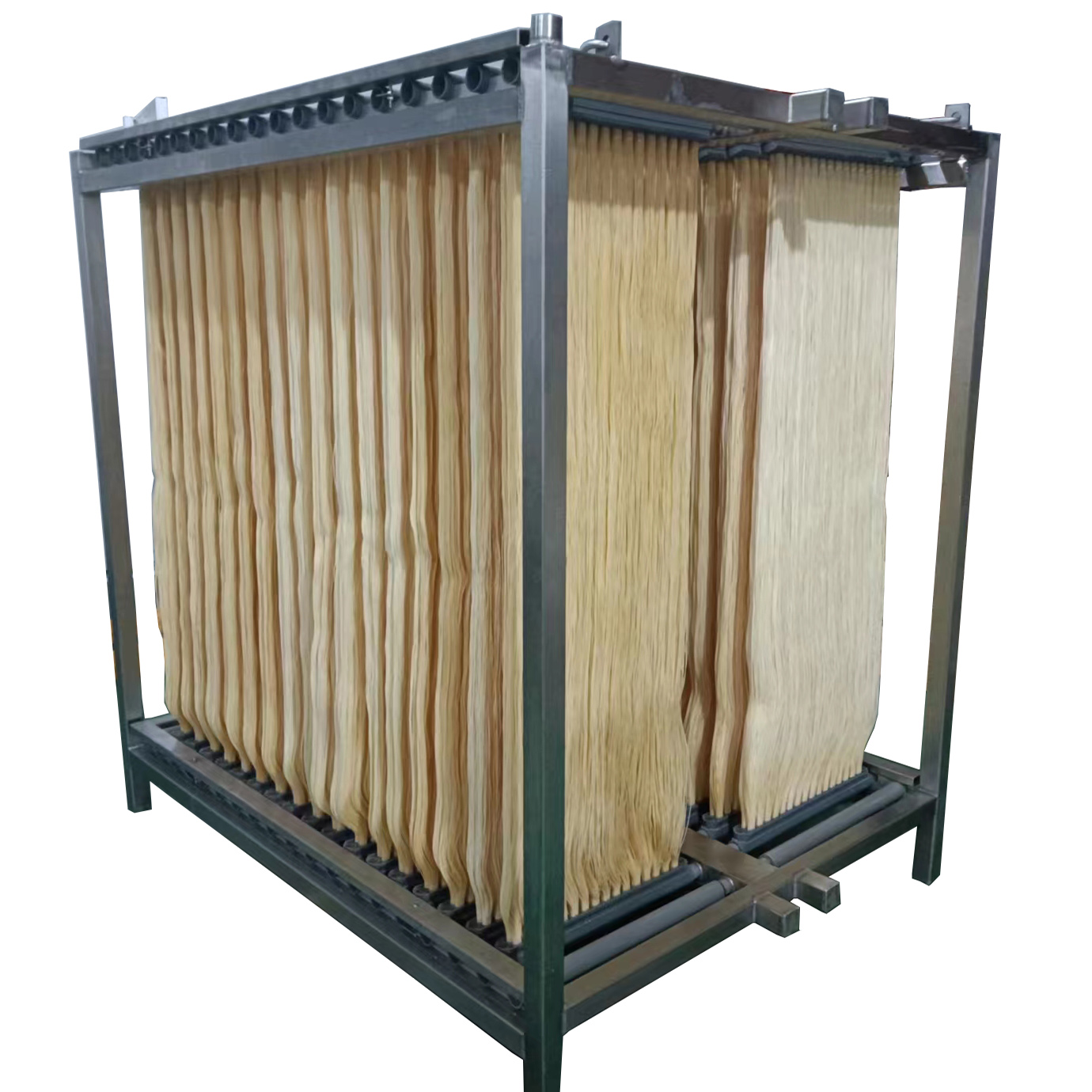
MBR System Operating Parameters
There are essentially 3 main operations of a membrane bioreactor (MBR ) during Wastewater treatment plant. those are the following:
1) Membrane permeability daily maintenance
2) Microbiology maintenance and running properly
3) Membrane Filtration and Sludge Transfer
Of those, the maintenance of Membrane permeability is the most significant, and impact the whole WTP running success or not.
| Operation | Purpose | Key Indicator |
| Biological treatment | Degrade pollutants | MLSS, DO, SRT |
| Membrane filtration | Produce clean water | Flux, TMP |
| Aeration/scouring | Supply O₂ + control fouling | Air flow, DO |
| Backwash/cleaning | Restore permeability | TMP recovery, permeability |
The Membrane permeability daily maintenance included as below:
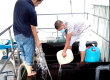
a) MBR cleaning, both physical (Relaxation time design 7 minutes working 1 minute relaxing, clean water backwash), Membrane air scouring clean: coarse bubbles rising along the membrane surface shear off accumulated sludge and foulants, keeping the membrane clean
b) Chemical cleaning CEB (Chemically Enhanced Backwash), backwash with chemical dosing in the pipeline
c) Chemical cleaning CIP ( Clean-In-Place), recovery cleaning the MBR in tank with Chemicals and aeration.
Microbiology maintenance and running properly
Biological treatment or say biodegradation, make sure more activated sludge growth in biological system is very important and essential, The activated sludge in the bioreactor consumes organic matter, nitrogen, and phosphorus. This is the “bioreactor” half of MBR—maintaining proper MLSS (around 6000-8000mg/L), DO(1.5–3mg/L), SRT, and nutrient balance so the microorganisms can do their job.
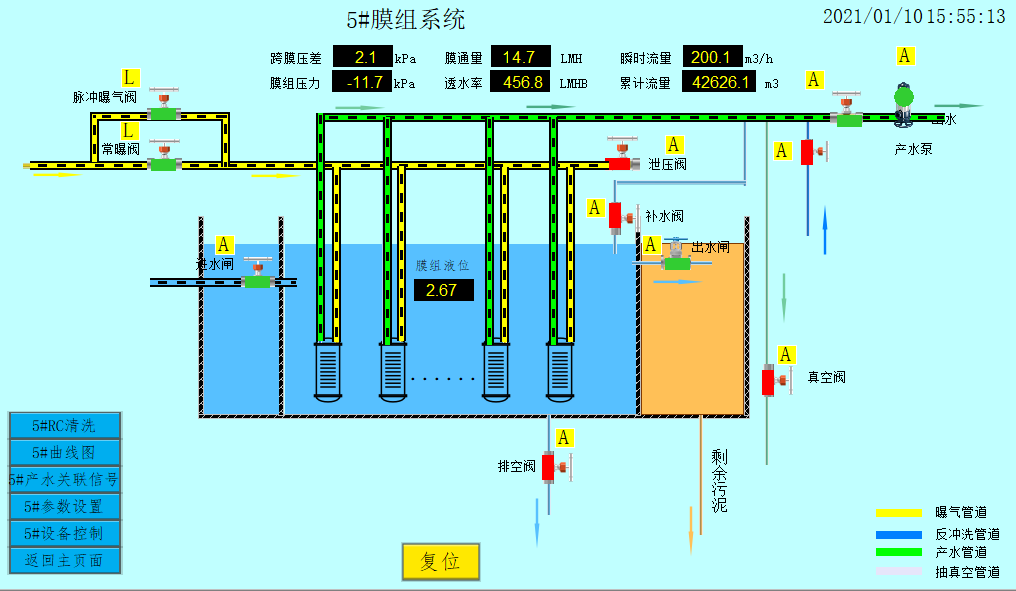
Membrane Filtration and Sludge Transfer
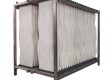
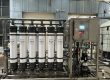
The membrane modules physically separate treated water from biomass and suspended solids, replacing the secondary clarifier of a conventional activated sludge plant. This is driven by the suction pump (or gravity head), and its performance is tracked by TMP (transmembrane pressure) and flux.
Discharge the Sludge in MBR tank is routine but critical operation, Unlike conventional systems, MBRs operate at high MLSS concentrations, so sludge must be periodically wasted to maintain the correct biomass level and prevent membrane fouling, if the MLSS above 8000mg/L, the membrane will be easy fouling and clogging.
Hinada ready to discuss your wastewater treatment needs or MBR Membrane designation or maintainance? Our technical team is here to help, contact with us.