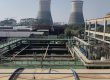
Water is equivalent to life, and in the food processing industry, water is a vital resource. Meat processing, bakeries, to food processing units for ready-to-eat foods, a tremendous amount of water is used on a daily basis, thereby creating complicated wastewater. The food processing industries’ wastewater treatment is becoming a challenging task due to tighter environmental norms, increasing water scarcity, and adoption of sustainable development. In this background, membrane technology, particularly the PVDF ultrafiltration membrane, acts as an effective technique.
Founded in 2012 and located in Guangzhou, China, Hinada Water Treatment Tech Co., Ltd. has existed with only one focus: water and wastewater treatment solutions. With over 13 years of experience in this industry and with a particular focus on membrane technology, we remain committed to helping food manufacturers with their wastewater problems.
Challenges in the Treatment of Wastewater Generated by Food Processors
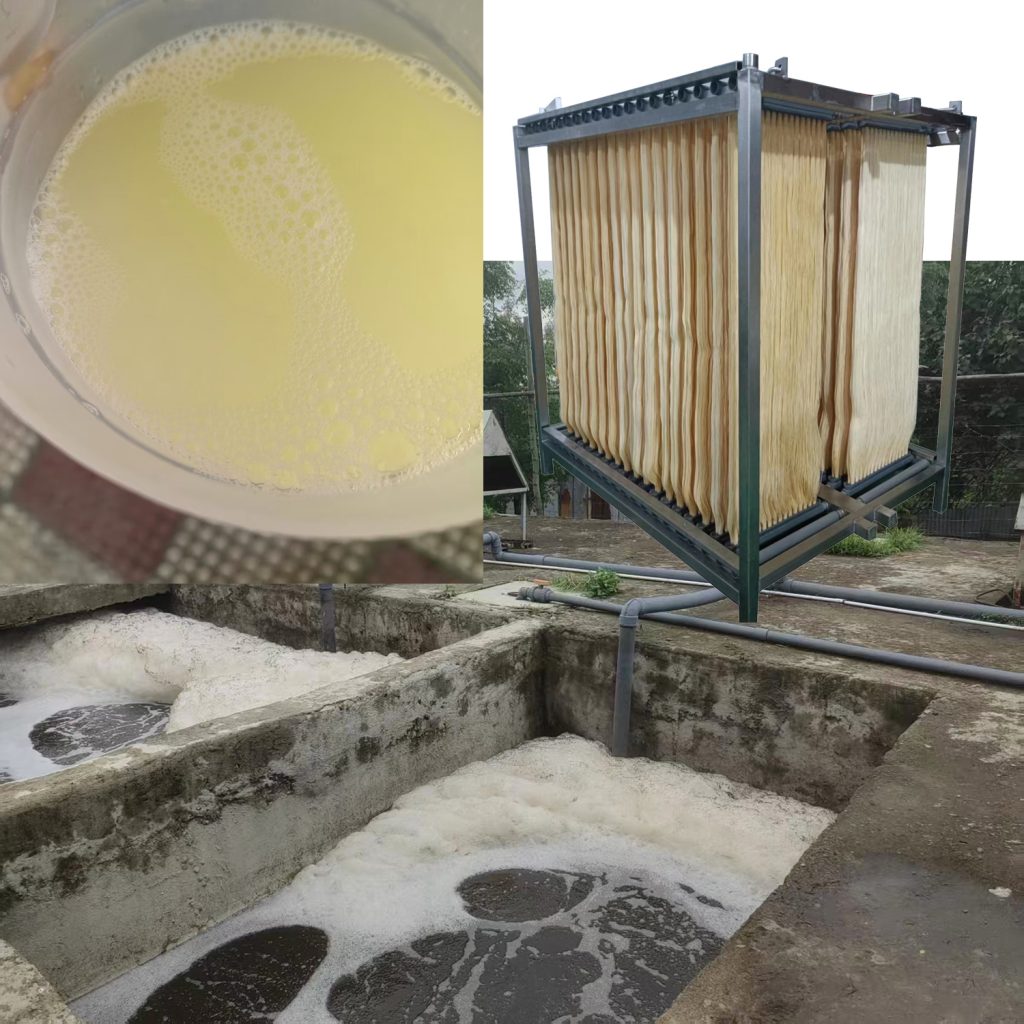
Food processing plants generate wastewater that is highly variable and complex. It tends to contain high amounts of organic substances, suspended matter, fats, oils, grease, proteins, starches, and detergents. It is these properties that make the treatment of wastewater from food processing plants rather complex.
One is that it has a substantial organic level that, if not treated well, can easily decrease oxygen levels within water bodies. Another is that it has fat and oil that, if it passes through regular treatment processes, can easily clog these processes, decreasing efficiency. Another is that it requires a stable production process that can provide a consistent level of effluent.
Conventional treatment technologies fail to satisfy the above-stated criteria successfully. This is why the use of an advanced membrane filtration technique, known as the ultrafiltration membrane, has become a favorite in contemporary wastewater treatment technologies for the food industry.
How PVDF Membranes Handle High Organic Load and Fats
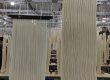
Principle of membrane filtration: This method of filtration involves the passage of water through a semipermeable membrane with the retention of suspended matter. We produce hollow fiber membranes based on modified PVDF ultrafiltration membrane and PVC materials, intended for use in wastewater with challenging conditions.
The PVDF ultra-filtration membrane finds particular applications in processing food industry wastewater due to its excellent mechanical properties, hydrophilicity characteristics, and stability in water quality. The membranes have been tested successfully in the separation of suspended matter, organic particles, and colloids in wastewater with high organic content.
In the field of applications relating to fats and oils, membrane filtration prevents the fats and oils from passing through, along with the purified water. In the context of the membrane bioreactor (MBR) process, the UF membrane helps to reap the benefits from the biological processes in eliminating contaminants from the wastewater. The ultrafiltration membranes ensures that the purification requirements are met irrespective of the changes in the incoming factors.
Case-Based Applications in the Food Industry
Meat Processing Plants
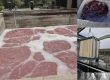
The types of meat industry wastewater may include blood, fat, proteins, and suspended materials. The use of membrane technologies results in the effective retention of solids, thus permitting more efficient biological processes. The PVDF ultrafiltration membrane enables successful treatment and the achievement of effluent quality suitable for discharge or subsequent treatment.
Bakery and Grain-Based Food Establishments
Bakeries include waste generation that has high starch content, flour particles, and organic matters. The fine particles in this waste can be challenging to separate using normal sedimentation processes. Membrane filtration has accurate separation properties. For instance, it separates solid particles in suspension, separating clean water in the process. Ultrafiltration membranes are used in such processes to boost efficiency.
Ready to Eat Food Processing Plants
Ready-to-eat food plants are often faced with complex wastewater streams originating from cooking, washing, and sanitizing operations. These streams differ greatly in composition and amount. Membrane technologies are flexible and efficient in changing operating conditions. The use of the PVDF ultrafiltration membrane allows a compact system with a consistent effluent quality even in varying influent flow rates.
Why Choose Hinada for Food Industry Wastewater Treatment
We are one of the most prominent submerged MBR membrane and membrane filtration systems producers in mainland China. At most projects, we can supply a completely integrated solution, including consultation, design, and commissioning, to meet all requirements for water and wastewater applications.
Our membrane manufacturing plant, initiated in the year 2012, produces high-quality hollow fiber membranes through rigorous quality control procedures like flow rate testing, bubble point testing, and microscopic analysis. Knowing the practical difficulties encountered in the food processing industry, having rich industry experience in the treatment of wastewater.
The corporate culture of Industrious, Integrity, Professional, and Learning propels the pursuit of excellence and customer satisfaction. In identifying quality reliability, affordability, and customization, we empower clients to solve the wastewater problems of the food industry with the use of a PVDF ultrafiltration membrane.
Owing to the increasing scarcity of clean water and tougher environmental regulations, it has become mandatory for the food processing sector to treat wastewater efficiently. The intense wastewater and higher levels of fats have promoted membrane filters as a reliable and trustworthy technology for the food processing sector. The uf membrane is an important component in the wastewater treatment system because of its efficiency and malleability.
What makes us a partner of choice in the food industry for our expertise in wastewater treatment solutions.
Need a trustworthy solution for wastewater treatment from a restaurant or the food sector? Call us at Hinada for personalized membrane technology systems.
FAQs
- Why is membrane filtration important in food industry wastewater treatment?
Membrane filtration has been established to yield good separation of suspended solids and organic materials independent of variations in the quality of wastewater.
- How does a PVDF ultrafiltration membrane handle high organic loads?
This functions as a barrier that allows organic particles and solids to accumulate while letting only treated water go through for the best possible biological treatment.
- Can membrane systems be used for different types of food processing wastewater?
Yes, the membrane systems handle this in a very flexible and reliable way when it comes to water from meat processing, bakeries, and ready-to-eat food plants.